Fluid Transfer Equipment


























Results for Fluid Transfer Equipment
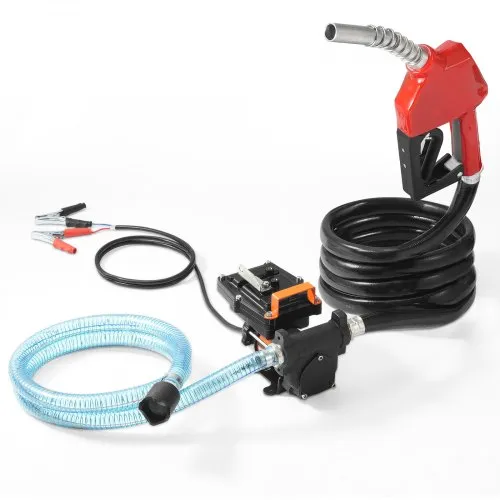
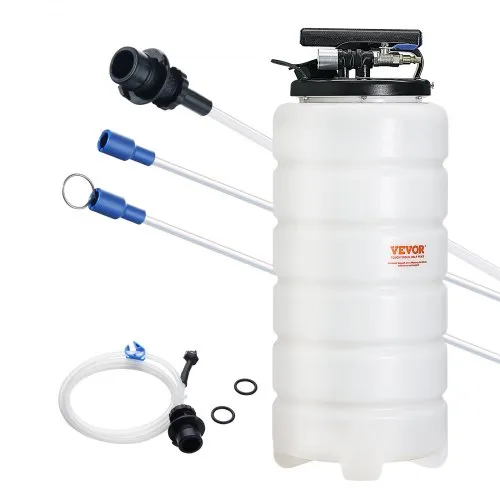
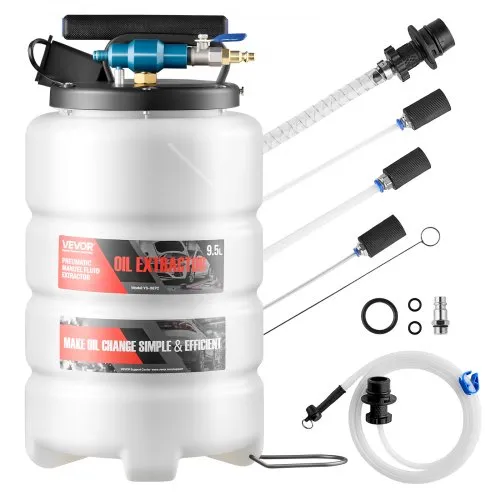
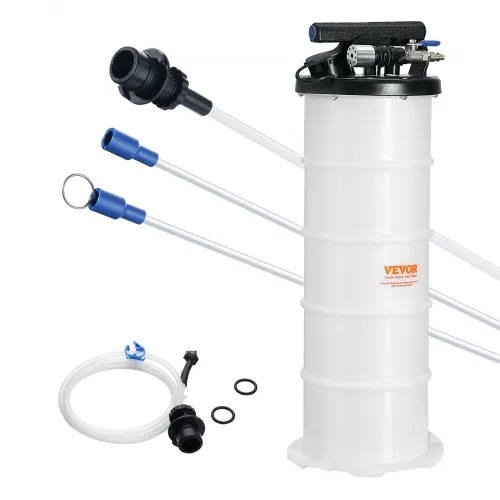
Fluid transfer equipment is the group of pumps, extractors, drains and reels used to move fuel, oil and other fluids from one container, tank or vehicle to another. This category covers fuel transfer pumps, double diaphragm pumps, oil extractors, transmission fluid pumps, oil drain pans and tanks, drum pumps and fuel hose reels. It is used in workshops, garages, farms, fleets and job sites. Each tool either pumps, sucks or drains the fluid through hoses and nozzles. Unlike gravity siphons, these tools move fluid with a motor, compressed air, vacuum or a hand lever.
Fluid transfer pumps run on 12V DC, 110V AC or compressed air. The 12V models move 5 to 20 GPM from a vehicle battery, 110V models reach up to 20 GPM, and a 110V pump with meter tracks the volume dispensed. Air-operated double diaphragm pumps handle waste oil and chemicals from 2.5 to 158 GPM. For servicing, oil extractors hold 6.5 to 15 L and pull oil through the dipstick tube, while oil drains include low profile pans and air-operated waste tanks from 5 to 25 gallons. Drum pumps move fluid from 5 to 55 gallon drums by hand, and fuel hose reels keep 3/4 or 1 in hoses tidy at 300 PSI.
Five things decide which one fits:
- Main job: transferring fuel, extracting fluid or storing hose.
- Fluid compatibility: which fuels, oils or fluids it is rated for.
- Hose length: how far the hose reaches from the pump or reel.
- Safety features: overload protection, auto shut-off nozzles or pressure relief.
- Included accessories: nozzles, adapters and fittings in the box.
Browse all fluid transfer equipment to compare models side by side, or step back to the wider shop equipment range.
Fluid Transfer Equipment Types at a Glance
The table below shows how each equipment type on this page moves fluid and the job it suits best.
| Type | How It Works | Best For |
|---|---|---|
| Fuel transfer pumps | Electric motor pumps fuel through a hose and nozzle | Refueling equipment from tanks and drums |
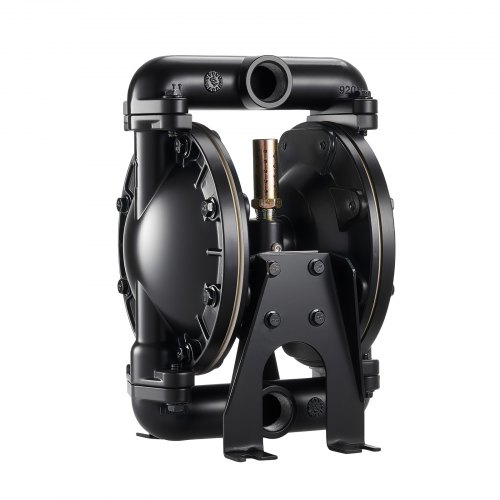
| Double diaphragm pumps | Compressed air drives two diaphragms | Waste oil, chemicals and thick fluids |
| Oil extractors | Vacuum pulls oil up through the dipstick tube | Oil changes without lifting the vehicle |
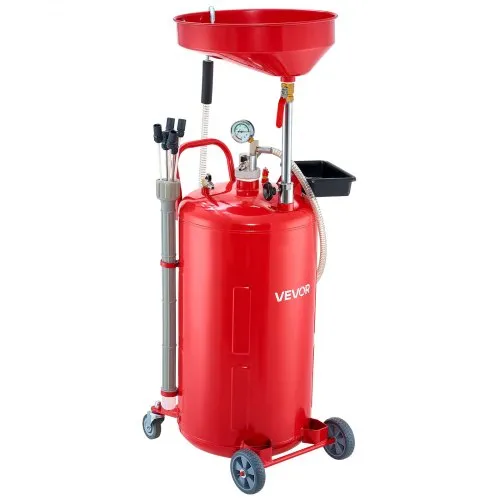
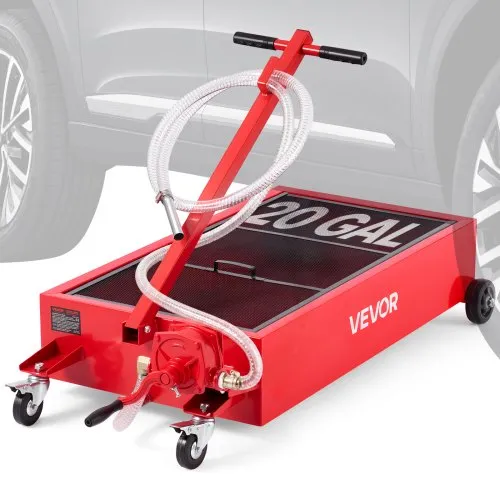
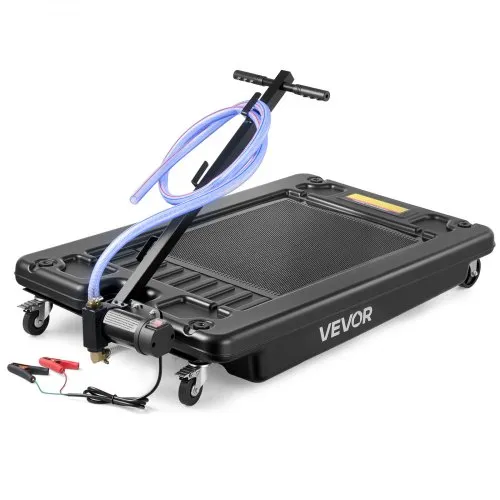
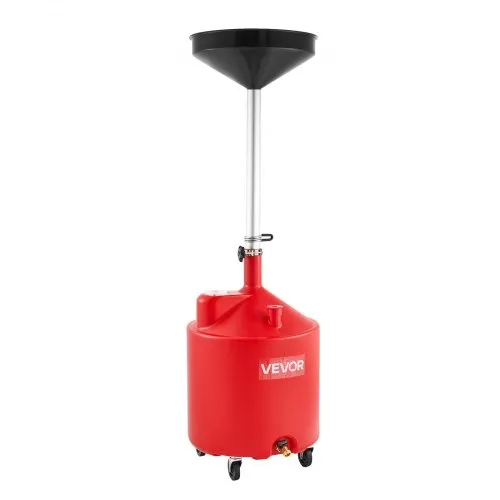
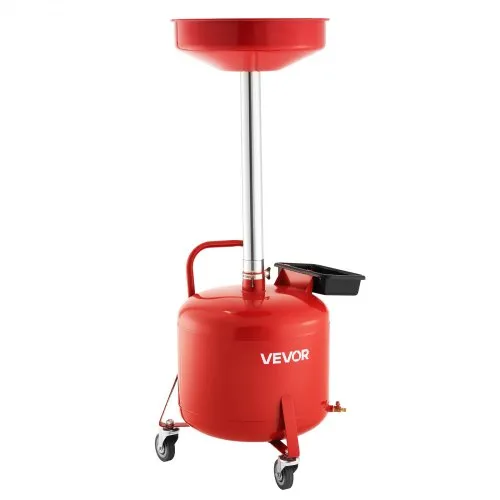
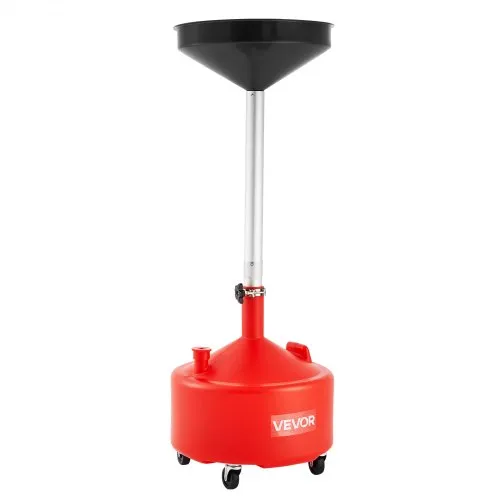
| Oil drain pans and tanks | Collects oil from the drain plug under the vehicle | Plug drains on low cars or lifted vehicles |
| Drum pumps | Hand lever or crank draws fluid from a barrel | Barrels too heavy to tip or pour |
| Fuel hose reels | Spring rewinds the hose after each use | Fuel stations, trucks and farm tanks |
VEVOR Fluid Transfer Equipment for Pumps, Drains, and Extraction Applications
Are you looking for fluid transfer equipment that handles all fluid-handling tasks in your workshop or facility, from fuel transfer and oil draining to grease delivery and drum dispensing? For mechanics and industrial operators, VEVOR provides fuel hose reels, diesel fuel transfer pump kits, oil drains, oil extractors, drum pumps, and fluid transfer pumps. For your specific fluid-handling application, choose the appropriate equipment type and capacity now.
Fluid Transfer Equipment Types and Their Workshop and Industrial Applications
Every type of fluid transfer equipment has a mechanism tailored to a specific fluid-handling duty. From vehicle oil changes and fuel transfers to precision grease delivery and drum dispensing, VEVOR's lineup addresses every major fluid handling scenario.
Fluid Transfer Pumps and Diesel Fuel Transfer Pump Kits
A fluid transfer pump uses an electric, pneumatic, or manual pumping mechanism, appropriate to the fluid's viscosity and chemical properties, to move liquid from one container, tank, or location to another. With motor specifications and wetted material choices tailored to the specific fluid-compatibility requirements of each application, VEVOR fluid transfer pumps handle water, diesel, gasoline, oils, and light chemical transfer in both portable and fixed installations.
The pump, dispensing nozzle, suction hose, discharge hose, and filter components required to move diesel from a storage tank to cars, machinery, and generators are all included in VEVOR's diesel fuel transfer pump kits, which offer a complete, ready-to-use fuel transfer system without the need to source and assemble individual parts separately. When the receiving tank fills up, the automatic nozzle that comes with VEVOR diesel fuel transfer pump kits stops the fuel flow, preventing overfill. This prevents the fuel nozzles from being used like manual nozzles without automatic shut-off when the operator's focus is distracted during filling. The self-priming pump designs in VEVOR transfer pump kits create flow without manual priming, making operation easier for infrequent users and reducing the setup time that priming-dependent pumps add to each transfer session.
Oil Drains and Low Profile Oil Drain Pans for Vehicle Servicing
During vehicle oil changes and fluid service procedures, waste oil is collected by oil drains and drain pans. This allows the fluid to be cleanly contained throughout the drainage process and facilitates transfer to waste oil storage without the spills that improvised collection methods can cause across workshop floors during high-volume service operations. VEVOR oil drains come in upright rolling drain units for lifted vehicles on two-post and four-post lifts, where an elevated collection vessel is positioned correctly beneath the drain plug without the awkward reaching required at lift height by floor-level pans, and low-profile pan configurations for floor-level oil changes on vehicles with little ground clearance.
VEVOR's low profile oil drain pans cover sports cars, lowered cars, and compact cars that standard-height drain equipment cannot service at floor level without first raising the vehicle. They do this with a wide, shallow basin design that slides beneath vehicles with as little as three to four inches of ground clearance. Without the need for a separate measuring vessel, which would add another handling step to the oil change process, mechanics can confirm a full drain before refilling, thanks to the graduated volume markings on the inside of VEVOR low-profile oil drain pans.
Oil Extractors for Above-Ground Fluid Removal
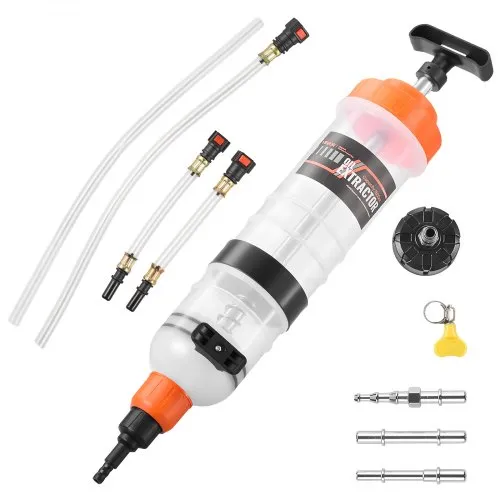
By inserting a suction tube through the dipstick tube or fluid access point and drawing fluid outward using a manual pump or a compressed-air source, an oil extractor removes engine oil, transmission fluid, power steering fluid, and some other vehicle fluids. This eliminates the need to access the drain plug from underneath the vehicle for routine fluid changes. When a vehicle lacks a traditional sump drain plug, under-vehicle access is restricted, and a clean, drip-free fluid removal technique is preferred over traditional drain plug removal that runs the risk of cross-threading, seized plugs, and gravity drainage timing management. VEVOR oil extractors are well-suited to these applications.
Higher-quality pump mechanisms achieve more thorough fluid extraction than basic models that leave a residual fluid volume that dilutes the fresh oil charge upon refilling. In VEVOR oil extractor models, vacuum pump efficiency determines how quickly the extraction vacuum builds and how thoroughly it draws fluid from the sump cavity. The sealed container design of VEVOR oil extractor models eliminates the evaporation and spill risks associated with open collection vessels during the extraction process and subsequent waste oil handling before disposal or recycling. Additionally, the collection container is clearly graduated for volume monitoring during extraction.
Drum Pumps, Fuel Hose Reels, and Locking Grease Couplers
By inserting a tube pump into the drum bung and using a hand-operated or motorized pumping mechanism to transfer measured quantities of oil, lubricant, chemical, or fuel from the drum to the point of use, drum pumps solve the unique dispensing challenge of extracting fluid from 55-gallon and intermediate bulk container drums that cannot be tipped or poured in the conventional manner that smaller containers allow. Petroleum products, water-based fluids, and light chemical solutions all require different wetted-material compatibilities for safe, contamination-free dispensing, so VEVOR drum pumps use tube materials and seal compounds that are compatible with the fluid being dispensed.
VEVOR's fuel hose reels arrange a fuel transfer system's dispensing hose onto a spring-retract or manual-wind reel that keeps the hose neatly stored between uses, keeps it from lying across the workshop floor where foot and vehicle traffic can cause abrasion damage, and removes the tangling and kinking that unmanaged fuel hose develops over time. With a locking mechanism that maintains the coupler-to-fitting connection under the delivery pressure of powered grease guns, without the blow-off that conventional push-on couplers experience during high-pressure grease delivery to resistant or partially blocked fittings, locking grease couplers offer a positive, leak-free connection between grease gun hoses and hydraulic grease fittings on machinery and automobiles.
Choosing a Pump by Scenario
The table below matches four pumping scenarios to the power, flow rate and suction lift each one needs, with one in-stock pump per row and its main limitation.
| Scenario | Power at Site | Flow Rate | Suction Lift | Recommended Product | Main Limitation |
|---|---|---|---|---|---|
| Refueling machinery from a truck transfer tank | 12V vehicle battery | 20 GPM | 9.8 ft | Fuel Pump Kit, 12V 20 GPM (EX56A-12) | 30 mm nozzle tip is too wide for some car filler necks |
| Dispensing fuel from a 55 gal drum | 12V vehicle battery | 10 GPM | 7 ft | Portable Pump Kit, 12V 10 GPM (KEX-10) | Half the flow of the 20 GPM 12V pumps |
| Metered diesel dispensing from a shop tank | 110V outlet | 16 GPM | 8 ft | Metered Pump, 110V 16 GPM (ETM-60N-01) | Diesel, kerosene and biodiesel only, not gasoline |
| Moving waste oil out of storage tanks | Compressed air | 22 GPM | 16.4 ft | Diaphragm Pump, 1 in Aluminum (QBY4-25L) | Draws 38 CFM of air and ships without hoses |
Capacity and Features That Determine Fluid Transfer Equipment Performance
VEVOR fluid transfer equipment's capacity and useful features determine how well it controls the operational elements that make fluid handling productive, safe, and clean, as well as how well it handles your particular fluid quantities.
Flow Rate, Tank Capacity, and Application Matching
The speed at which fluid transfer equipment completes a given transfer volume and the frequency with which it needs to be emptied, refilled, or repositioned during a production service session are determined by flow rate and tank capacity criteria. Higher-flow-rate pumps are appropriate for high-volume fleet fueling operations where the time per vehicle to fill directly impacts fleet readiness and operational efficiency. VEVOR diesel fuel transfer pump kits specify flow rates in gallons per minute that determine how long a vehicle or equipment tank fill takes.
The number of oil changes that can be finished before the collection vessel needs to be emptied depends on the oil drain and extractor capacity. Larger-capacity VEVOR oil drain units are ideal for busy workshop settings where stopping a service workflow to empty a drain pan lowers productivity and increases the risk of spills during the transfer from the collection vessel to the waste oil storage. By matching each piece of fluid transfer equipment's capacity to your typical session volume, you can avoid the risk of overfilling that results in insufficient buffer capacity when an unexpectedly large fluid volume occurs during a routine service procedure, as well as the multiple emptying cycles that undersized equipment requires during high-volume service sessions.
Material Compatibility, Safety Features, and Operational Convenience
When choosing fluid transfer equipment, fluid compatibility is the most important safety factor. This feature is because using equipment with wetted materials incompatible with the fluid being handled can lead to seal degradation, container failure, and fluid contamination, increasing the risk of fire with fuels and health risks with chemical fluids. For each fluid transfer pump, drum pump, and hose reel in the lineup, VEVOR defines wetted-material compatibility, ensuring safe use with petroleum products, lubricating oils, water-based fluids, and specific chemical types within each product's specified compatibility range.
Safety features that prevent the most frequent fluid handling incidents, such as overfill spillage, static ignition, and unintentional fluid release during transfer and storage, include sealed collection vessels on oil extractors and drain units, earthing cables on fuel dispensing systems to prevent static discharge, and automatic shutoff nozzles on VEVOR fuel transfer equipment. In addition to integrated strainer screens on pump inlets protecting internal pump components from the debris and contamination found in used oil, aged fuel, and industrial fluid supplies that would accelerate wear and cause premature pump failure without inlet filtration, quick-connect hose fittings on VEVOR fluid transfer equipment help reduce setup and changeover time between fluid types.
Best-Seller Comparison
Compare the five best-selling fluid transfer products below by the five factors above: main job, fluid compatibility, hose length, safety features and included accessories.
| Product | Main Job | Fluid Compatibility | Hose Length | Safety Features | Included Accessories |
|---|---|---|---|---|---|
| Fuel Pump Kit, 12V 20 GPM (EX56A-12) | Fast refueling kit, 20 GPM with 26.2 ft head lift | Gasoline, diesel, kerosene, biodiesel, ethanol and methanol blends | 13 ft outlet hose, 1.57 to 3.07 ft suction pipe | Explosion-proof motor, thermal overload protection, auto shut-off nozzle | 360° swivel, 90° elbow, PTFE tape, 18 ft power cable |
| Portable Pump Kit, 12V 10 GPM (KEX-10) | Portable kit for small tanks and drums, 10 GPM | Gasoline, diesel, kerosene, the shortest fuel list of the pumps | 13.1 ft outlet hose, 14 to 37 in suction pipe | Explosion-proof rating, thermal overload protection, auto shut-off nozzle | Inline fuel filter, alligator-clip power cable, thread tape |
| Fuel Pump Only, 12V 20 GPM (EX56-12) | Pump only for an existing tank setup, 20 GPM | Gasoline, diesel, kerosene, biodiesel, ethanol and methanol blends | None included, 1 in ports take your own hoses | Explosion-proof motor, thermal overload protection, no shut-off nozzle | 90° elbow and 12V power cord only, the barest package here |
| ATF Pump, 2-Way 10 L (10L ATF Pump) | ATF extraction and refill on shop air, 10 L tank | Transmission fluid, plus oils and liquids for extraction | 2 m (6.6 ft) dispensing hose, two hoses supplied | Pressure gauge, relief valve preset at 43 PSI | 14 OE-style ATF adapters in a storage case |
| Fuel Hose Reel, 1 in x 33 ft (1224BT-100-5) | Hose storage and dispensing on fuel trucks, farms and docks | Diesel and kerosene | 33 ft of 1 in NBR hose, the longest here | 300 PSI rated hose, ratchet lock holds any length | 3-setting auto shut-off nozzle, FNPT and barb fittings |
Why Choose VEVOR Fluid Transfer Equipment?
For automotive workshops, fleet operators, and industrial fluid-handling applications, VEVOR offers a full line of fluid transfer pumps, oil extractors, oil drains, drum pumps, fuel hose reels, locking grease couplers, and low-profile oil drain pans. Each product offers low pricing, useful capacity options, and high-quality construction to enable professional fluid handling at all operation scales. Your equipment is ready for every fluid-handling task thanks to VEVOR's dependable after-sales support. Look over the entire selection now.
Frequently Asked Questions
What is the difference between an oil extractor and a standard oil drain pan?
Without access to the undercar drain plug, an oil extractor uses vacuum suction to draw fluid up through the dipstick tube. After removing the drain plug below the car, a conventional oil drain pan collects fluid by gravity. Drain pans are appropriate for traditional below-vehicle service operations, whereas extractors are suitable for circumstances with restricted access.
Can VEVOR diesel fuel transfer pump kits handle gasoline as well as diesel?
The wetted material and seal requirements of the particular model determine compatibility. While some VEVOR transfer pump kits are diesel-specific, others have ratings for both gasoline and diesel. Before utilizing a particular model with a fuel type not specified in the product specification, always check the model's fuel compatibility rating.
How do I select the correct drum pump for my fluid type?
Determine the fluid's chemical composition and compare it with the drum pump wetted material compatibility list, which includes materials for the impeller, tube, and seal. Each VEVOR drum pump model specifies compatible fluid types. Compatibility testing is crucial before using petroleum oils since they require different seal materials than water-based fluids or light chemical solutions.
What flow rate do I need for fleet fueling applications?
A minimum flow rate of 15 to 20 gallons per minute reduces per-vehicle fill times to a manageable level during peak filling, when several vehicles fill up in succession. Because VEVOR diesel fuel transfer pump kits explicitly define flow rates, you can choose the ideal pump capacity for your fleet size and daily fueling volume.
What are the main features to consider when choosing a fuel transfer pump?
Check flow rate, power source, fuel compatibility, lift height and safety protection first. Look for an explosion-proof motor, thermal overload protection and an auto shut-off nozzle. Then check the package, since a 12V 20 GPM pump kit ships with hoses and a nozzle, while pump-only models need your own fittings.
What are the main types of fuel transfer pumps and their uses?
The main types are 12V DC pumps, 110V AC pumps, air-operated diaphragm pumps and manual drum pumps. 12V models run from a vehicle battery for mobile and farm refueling, 110V models suit fixed shop tanks near an outlet, diaphragm pumps move waste oil, and drum pumps empty barrels by hand.
How do I choose the right fuel transfer pump with a meter for my needs?
Choose a metered pump when you need to track how much fuel each machine receives, then check flow rate, power source and fuel type. The 16 GPM metered diesel pump runs from a 110V outlet and lifts 45 ft, but it is rated for diesel, kerosene and biodiesel, not gasoline.
Can I use a VEVOR oil extractor for other liquids besides oil?
Yes, oil extractors also remove gear oil, power steering fluid and brake fluid as well as engine oil. The 15 L pneumatic and manual extractor includes a separate suction hose for brake fluid and works on cars, motorcycles, lawnmowers and tractors.
How do I choose the right fluid extractor for my vehicle?
Pick a tank that holds more than your engine's full oil capacity, then choose manual or pneumatic operation. The oil extractor range on this page includes 6.5, 9.5 and 15 L tanks, and these models draw oil through the dipstick tube without lifting the vehicle.
How do pneumatic oil extractors compare to manual ones in terms of efficiency?
Pneumatic extractors work faster and take less effort because shop air builds the vacuum. Manual extractors need hand pumping but no extra equipment. Dual-mode models switch between both, and the 15 L model connects through a quarter-inch NPT quick-connect at 0.4 to 0.8 MPa of air.
What are the main differences between a fluid extractor and a transmission fluid pump?
A fluid extractor only removes fluid, while a transmission fluid pump both extracts and refills. The 2-way ATF refill pump holds 10 L, runs on a connected air compressor and uses 14 OE-style adapters to refill through the fill port. An 8 L pneumatic version comes with 15 adapters.
How do I choose the right diaphragm pump for my water or chemical application?
Match the pump body and diaphragms to the fluid first, then check flow and port size. Aluminum bodies suit oils and fuels, while the polypropylene diaphragm pump pairs a corrosion-resistant body with PTFE diaphragms and DN25 flange ports for water treatment and chemical use.
Which industries most commonly use double diaphragm pumps?
Double diaphragm pumps are used in petroleum, metallurgy, mining, coating, printing, water treatment and automotive work. Compressed air drives them instead of an electric motor, and they move viscous and flammable fluids such as waste oil, hydraulic fluid, gasoline and diesel.