Oil Drains









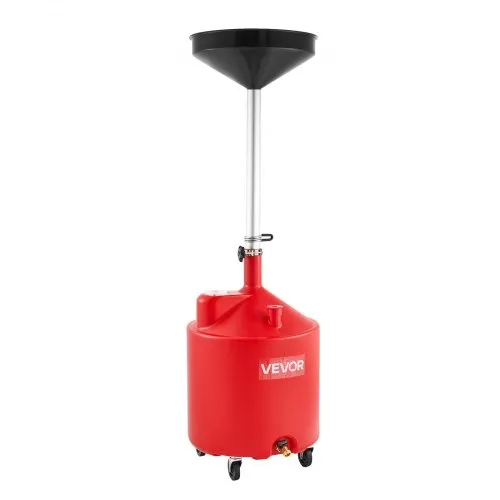


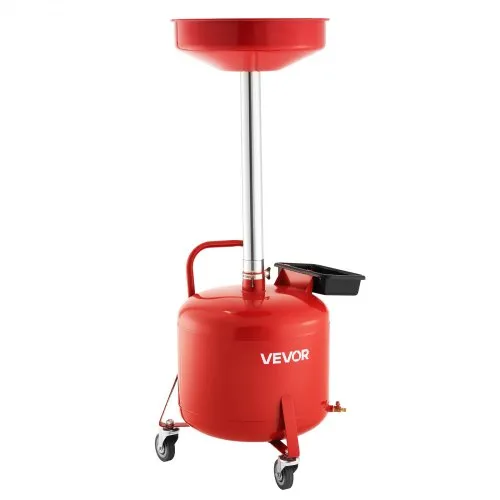


Results for Oil Drains
An oil drain is a shop tool that captures used engine or transmission fluid as it flows from a vehicle's drain plug and holds it safely until it can be transferred out for disposal or recycling. Instead of letting waste oil spill onto the floor, the unit positions a collection vessel directly beneath the drain point, catches the full volume as it empties, and keeps it contained while the vehicle is serviced. Once collection is complete, the captured oil is moved on into a storage drum, a recycling container, or a dedicated waste oil system, keeping the work area clean and compliant.
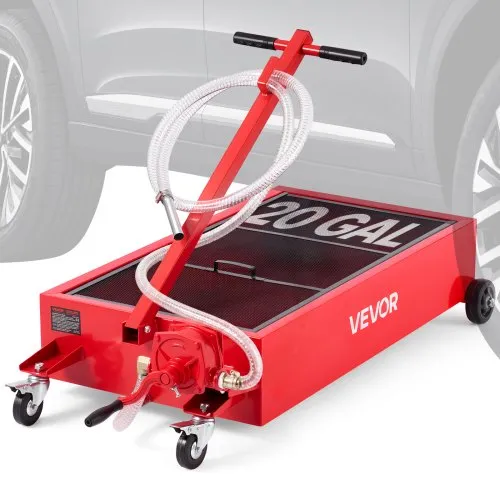
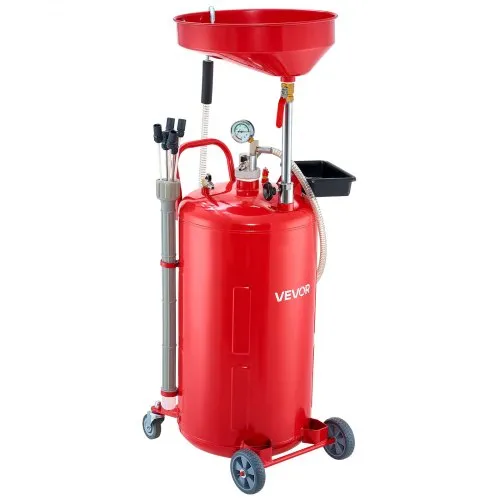
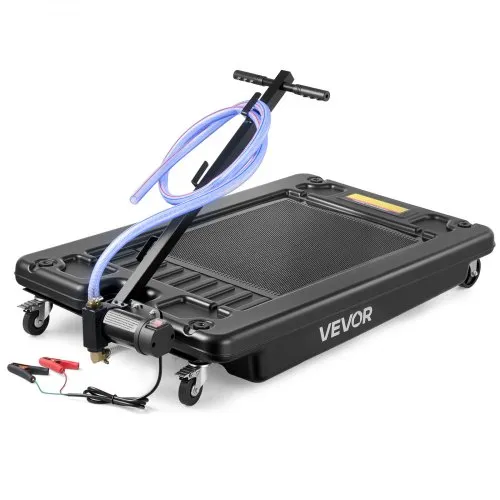
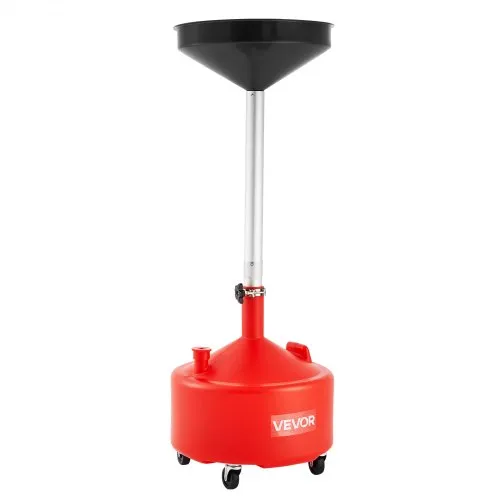
VEVOR's oil drain range covers four main formats. Low-profile oil drain pans use a wide, shallow basin that slides under cars with as little as 3 to 4 inches of ground clearance. Upright oil drains stand on a rolling frame and collect at the height of a raised vehicle's drain plug. Pump-equipped low-profile pans add a built-in electric, manual, or pneumatic pump that pushes collected oil straight into a storage container, and waste oil drain tanks are sealed, larger-capacity vessels, here from 5 to 25 gallons, that gather oil from several changes before disposal. Typical uses are floor-level oil changes on lowered and standard cars, servicing lifted trucks and SUVs on a lift, and central waste oil collection across a busy multi-bay workshop.
Five things decide what you need:
- Vehicle clearance: measure the gap directly under the drain plug on your lowest vehicle, since a low-profile pan fits where a standard-height pan will not.
- Collection capacity: size the basin or tank to a full engine's oil volume, or to how many changes you collect before emptying (units here run 5 to 25 gallons).
- Waste transfer method: choose between lifting and pouring, a built-in pump that empties through a hose, or a base drain valve, based on how far your waste storage sits from the bay.
- Working position: match a ground-level pan to floor changes and an upright drain to vehicles raised on a two-post or four-post lift.
- Mobility: rolling casters, large wheels, or a folding handle let you move a full, heavy unit across the shop without spills.
Browse the full oil drains range to compare every drain format, or go straight to the low-profile oil drain pans if ground clearance is your main constraint.
Oil Drain Types at a Glance
The table below separates the four oil drain formats by where they collect, how they move waste oil onward, and the setup each suits, so you can narrow the format before comparing models.
| Type / Sub-type | Collection Position | Waste Transfer Method | Best-Fit Setup | Key Advantage |
|---|---|---|---|---|
| Low-profile oil drain pan | Ground level, under the sump | Lift the basin and pour out | Lowered and low-clearance cars changed on the floor | Slides into 3 to 4 in of clearance that other drains cannot reach |
| Upright oil drain | At the raised drain-plug height | Roll clear, then empty the tank | Trucks and SUVs raised on a two or four-post lift | No crouching or dragging a full pan across the floor |
| Low-profile pan with pump | Ground level, under the sump | Built-in pump through an outlet hose | Any vehicle where waste storage sits far from the bay | Empties without lifting the loaded pan and oil |
| Waste oil drain tank | Stationary central collection point | Base drain valve to drum or recycler | Multi-bay shops pooling oil from many changes | Holds several changes before it needs emptying |
VEVOR Oil Drains for Low Profile, Upright, and Waste Oil Collection Needs
VEVOR offers low-profile oil drain pans, upright oil drains, drain pans with integrated pumps, and waste-oil drain tanks designed for professional mechanics and serious do-it-yourselfers. Are you searching for oil drains that can handle every type of vehicle and workshop layout without spills, messy cleanup, or awkward positioning under the drain plug? Choose the ideal feature set, profile height, and capacity for your workshop right now.
Oil Drain Types and the Capacities That Match Every Workshop Application
Understanding the types of vehicles you serve, the clearance beneath those vehicles, and how you handle waste oil after collection are the first steps in selecting the appropriate oil drain type. To ensure your workshop performs oil changes effectively and cleanly, VEVOR's oil drain portfolio covers every basic configuration.
Low Profile Oil Drain Pans for Lowered and Ground-Clearance Vehicles
For cars with low ground clearance, when a standard-height drain pan cannot fit under the drain plug without first lifting the car on a lift or ramps, a low-profile oil drain pan is used. VEVOR oil drain pans are useful for lowered cars, sports cars, and any vehicle where ground clearance limits what equipment can be positioned underneath during a floor-level oil change because of their wide, shallow basin design, which maximizes collection area while minimizing the height required to slide the pan into position beneath the engine sump.
When the drain plug is positioned at an angle that directs flow away from the center of a narrow pan, there is less chance of oil missing the collection basin because the wide basin opening on VEVOR oil drain pans accommodates the angle and flow direction of oil draining from different sump plug positions across various vehicle makes and models. Without the need for a separate measuring vessel, mechanics can verify a full drain before refilling by monitoring the drained oil volume and comparing it to the manufacturer's indicated oil capacity, thanks to graduated volume markings on the inside of VEVOR low-profile drain pans. A VEVOR low-profile oil drain pan is used in workshops that service a mixed fleet of vehicles, including both standard and low-clearance models, to handle vehicles that other drain equipment cannot reach.
Upright Oil Drains for Lifted Vehicles and Production Shop Efficiency
When a vehicle is lifted to full working height on a two-post or four-post lift, an upright oil drain places a tall, narrow collection vessel beneath it, collecting oil at the height where drain plugs are placed. The rolling base frame of the VEVOR upright oil drains enables the drain unit to be precisely positioned beneath the drain plug and then rolled clear of the lift after collection. This feature eliminates the need for the mechanic to crouch, reach, or move a heavy pan across the shop floor while it is filled with waste oil.
VEVOR upright oil drains' large-capacity tanks can hold the volume of oil from several successive oil changes before they need to be emptied, minimizing the disruption to workflow caused by often-emptying smaller collection pans during a hectic service day. VEVOR upright oil drains' enclosed tank design contains fumes. It prevents unintentional spills when the drain unit is moved between vehicle locations across the workshop floor, eliminating the open surface evaporation and splash risk associated with open drain pans. VEVOR upright oil drains are the sensible, expert solution that keeps service bays tidy and workflow uninterrupted by oil spills in production automobile workshops where numerous specialists are changing the oil on raised vehicles concurrently throughout the day.
Low Profile Oil Drain Pans With Pump for Integrated Waste Oil Transfer
With an integrated pump mechanism that transfers collected waste oil straight into a storage container or waste oil tank without the need for human pouring, an oil drain pan with a pump combines the ground-level collecting capability of a typical low-profile pan. The lifting and pouring step that makes emptying a full drain pan messy and physically taxing is eliminated by VEVOR's low-profile oil drain pans with pumps. This feature is especially true when the pan holds the entire volume of oil from a large engine, making the combined weight of the pan and oil difficult to handle safely without spilling.
To complete the collection and transfer cycle without removing the pan from its location beneath the vehicle, the integrated pump on VEVOR drain pan models uses a hand-operated or pneumatic mechanism that draws waste oil from the pan basin and pushes it through an outlet hose into a drum, portable waste tank, or building waste oil system. This pump-equipped design is especially useful in workshops where the waste oil storage container is located far from the service bay. As the distance between the service bay and the waste oil storage point increases, manual pan carrying across the floor becomes more difficult and messy. A VEVOR low-profile oil drain pan with pump provides both ground-level collection and integrated waste transfer in a single unit for busy workshops that prioritize clean, efficient oil-changing procedures.
Waste Oil Drain Tanks for Central Workshop Oil Collection
A waste oil drain tank is a larger-capacity, specialized storage container that gathers and retains waste oil from various drain operations before the whole volume is either burned in a waste oil heater or sent to a recycling facility. The sealed construction of VEVOR waste oil drain tanks includes a drain valve at the base that connects to recycling machinery or transfer pumps for disposal, as well as a fill port large enough to receive the discharge from drain pans and upright drain units. The VEVOR line offers capacity options ranging from large-capacity tanks that handle the weekly production of a busy multi-bay automotive workshop to smaller workshop tanks ideal for low-volume servicing operations.
VEVOR waste oil drain tanks can be moved around the workshop as service bay locations change throughout the day, thanks to portable designs with integrated handles or wheeled bases. The sealed construction also stops spills and fume releases that occur when open collection containers are transported across the shop floor. Instead of discovering an overfill scenario during a busy service session, workshop managers may arrange waste oil collection before the tank reaches capacity thanks to clear capacity markings on VEVOR waste oil drain tanks, which display the current fill level without requiring the tank to be opened. By storing waste oil in a specialized VEVOR waste oil drain tank, the workplace complies with environmental disposal regulations. It eliminates haphazard collection methods that create spill hazards and legal problems.
Matching Profile Height to Vehicle Clearance
The types above cover which format to buy; this table turns to a question they leave open, which profile height fits the vehicle you actually park over the drain, and names the one measurement to take before you choose.
| Vehicle / Clearance | Recommended Profile | What to Measure First | Why It Fits (watch-out) |
|---|---|---|---|
| Lowered or sports car, 3 to 4 in clearance | Lowest-profile pan | Gap directly under the drain plug, not the chassis | The plug can sit lower than the body, so measure there or the pan will not slide in |
| Standard sedan changed on its tyres | Low-profile pan | Sump-to-floor gap with the car unlifted | Clearance is usually ample, so favour basin capacity over the thinnest possible profile |
| Truck or SUV, or a vehicle on ramps | Standard-profile pan | Height at the raised drain plug | The extra gap lets a deeper basin hold a big engine's full oil volume in one pass |
| Vehicle raised on a two or four-post lift | Upright drain, not a pan | Funnel reach up to the plug height | The funnel must extend to the plug (tanks here reach 38 to 66 in) or you end up reaching |
Profile Height and Features That Determine Practical Oil Drain Performance
How well the equipment suits your particular vehicle types, and how cleanly and effectively each oil change proceeds from drain plug removal to waste oil disposal, depend on the profile height and the useful features included in each VEVOR oil drain.
Profile Height Selection for Different Vehicle Clearance Requirements
When choosing an oil drain pan for oil changes performed at floor level, profile height is the most crucial dimensional specification. If this specification is incorrect, the pan will either not fit beneath the vehicle or will not have sufficient basin depth to hold the entire volume of oil without risking overflow. The VEVOR low profile oil drain pan with pump comes in a variety of overall heights. Standard-profile models are best suited for trucks, SUVs, and lifted vehicles, where more basin depth can be accommodated without causing clearance problems. In contrast, the lowest-profile models are made for cars with as little as 3 to 4 inches of ground clearance.
Before choosing a drain pan height, measure the ground clearance of the lowest vehicle in your normal service rotation to ensure compatibility across your whole vehicle range without needing separate pans for various vehicle types. For each oil drain pan, VEVOR provides complete profile height dimensions and basin capacity, giving workshop operators the precise data needed to confirm clearance compatibility before purchase, rather than discovering a fitment issue after the initial oil change attempt.
Build Quality, Drain Valves, and Mobility Features
The structural strength and chemical resistance that petroleum products require from collection equipment used regularly in a professional workshop setting are provided by the steel construction of VEVOR upright oil drains and waste oil drain tanks. The positive-close mechanisms of the drain valves on VEVOR oil drain tanks completely seal between uses, preventing the slow drip leaks caused by worn or improperly fitted drain valves. These leaks result in floor contamination and slip hazards, which cost workshops significant cleanup time and pose ongoing safety risks to technicians working near the drain area.
Heavy-duty wheels rated for the combined weight of the tank and a full oil load are used on VEVOR upright oil-drain and waste-oil-drain tank models. Locking casters hold the unit stationary during oil collection and release for repositioning between vehicle service positions. The wide funnel profile of VEVOR waste oil drain tanks accommodates pour angles from both low-profile pans and upright drain units without requiring precise alignment, which slows the transfer step during a busy service session. Funnel-style fill openings on these tanks direct oil flow into the tank without spilling during transfer from drain pans.
Best-Seller Comparison
The comparison below covers five best oil drain models, highlighting their capacity, collection height, transfer method, and mobility to help you select the right unit for your workshop.
| Product | Type | Capacity | Collection Height | Transfer Method | Mobility | Best For |
|---|---|---|---|---|---|---|
| Low Profile Oil Drain Pan, 15 Gal Electric Pump | Low-profile pan | 15 gal | Ground level | Electric pump + 7.2 ft hose | Rolling swivel casters | Smallest pump pan here; quick single-car changes in tight clearance |
| Waste Oil Drain Tank, 20 Gal Air Operated | Upright waste tank | 20 gal | Funnel 38 to 65 in | Air operated, pressure valve | Wheels + swivel casters | Only unit with a pressure-regulating valve; controlled discharge in busy bays |
| Waste Oil Drain Tank, 21 Gal Air Operated | Upright waste tank | 21 gal | Funnel 40 to 66 in | Air operated suction | Wheels + swivel casters | Largest capacity in the five; longest run between emptying on a lift |
| Low Profile Pan, 20 Gal Electric Pump, White | Low-profile pan | 20 gal | Ground level (ultra-low) | Electric pump + 7.2 ft hose | T folding handle + casters | Highest-capacity low-profile pan here; big-engine changes at floor level |
| Low Profile Pan, 17 Gal Electric Pump, Red | Low-profile pan | 17 gal | Ground level (ultra-low) | Electric pump + 7.2 ft hose | T folding handle + casters | Mid-size pump pan with folding handle; easy maneuvering in a home garage |
Why Choose VEVOR Oil Drains?
VEVOR offers a full line of oil drains, including waste oil drain tanks, oil drain pans, upright oil drains, and drain pans with built-in pumps, designed for both home garage users and professional workshops. Every product combines low pricing, useful capacity options, and long-lasting construction to make clean, effective oil change equipment affordable for all budgets. Your oil drain equipment is prepared for every service task thanks to VEVOR's dependable after-sales support. Explore the entire selection and keep your workshop tidy right now.
FAQs
What is the minimum ground clearance required for a low-profile oil drain pan?
VEVOR low-profile oil drain pans are ideal for lowered automobiles with limited ground clearance, as they range in height from roughly 3 to 4 inches. The total vehicle ground clearance may differ from the clearance at the sump plug; always measure the clearance just beneath your drain plug.
Can a low profile oil drain pan with a pump handle thick or cold engine oil?
Yes, VEVOR pump-equipped drain pans can handle heavier oils as well as conventional engine oil viscosities. To optimize flow rate via the pump mechanism and shorten transfer time, let the engine warm up a little before emptying in really cold weather, where oil viscosity increases dramatically.
How often should a waste oil drain tank be emptied?
To maintain a buffer against unforeseen high-drain volumes, plan to empty the tank before it reaches 80% capacity. To avoid overfill issues during peak service times, most workshops schedule routine waste-oil collection pickups at a frequency that corresponds to their weekly oil-change volume.
What is the advantage of an upright oil drain over a standard drain pan?
To accommodate raised automobiles, upright oil drains place the collection vessel at lift height rather than at floor level. Large-capacity tanks reduce the frequency of emptying compared to small, open-drain pans used for floor-level oil changes, and their enclosed design minimizes leaks during repositioning.
Can you recommend some effective oil drain systems for garages?
For most home and small-shop garages, a rolling low-profile oil drain pan with a built-in pump handles floor-level changes cleanly, while a wheeled waste oil drain tank suits higher-volume bays. Match the format to your vehicle clearance and to how you store waste oil afterward.
What type of oil drain is right for my shop?
It depends on how you lift vehicles. Floor-level work on low cars calls for a low-profile pan, vehicles raised on a lift suit an upright oil drain at plug height, and multi-bay shops benefit from a large waste oil tank for central collection before disposal.
How do I determine the size oil drain I need?
Start from your largest engine's oil capacity so a single change never overflows the basin, then add margin if you pool several changes before emptying. VEVOR oil drains here range from 5 to 25 gallons, so size up for busy bays and down for occasional home use.
Can I use an oil drain pan to store used oil long-term?
An oil drain pan is primarily designed to collect used oil during servicing, not necessarily for long-term storage. Transfer the oil to a suitable, sealed waste oil container after collection, and store it securely to prevent leaks, contamination, and accidental spills.