Canopies




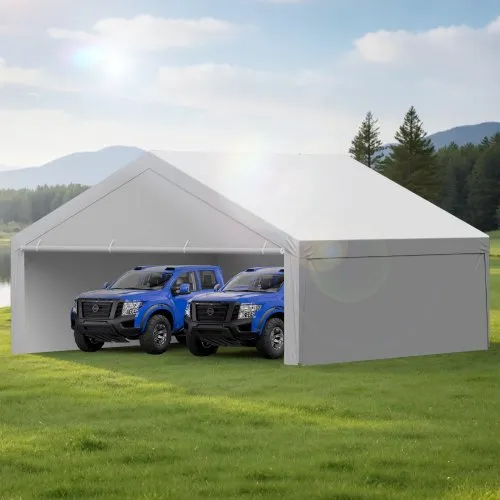
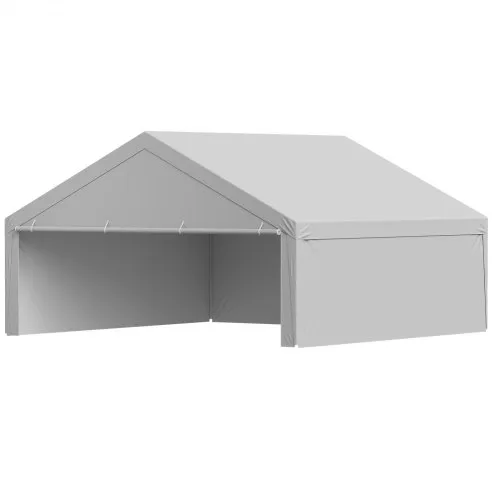
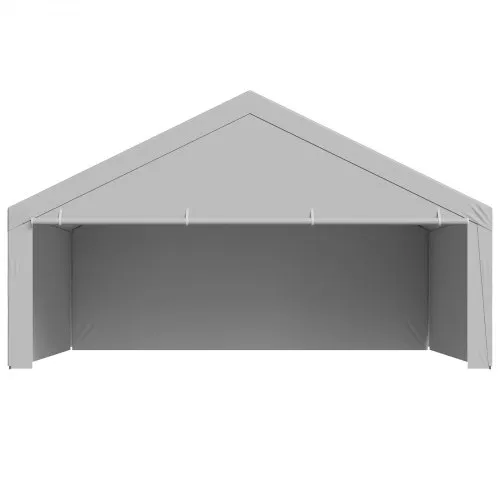
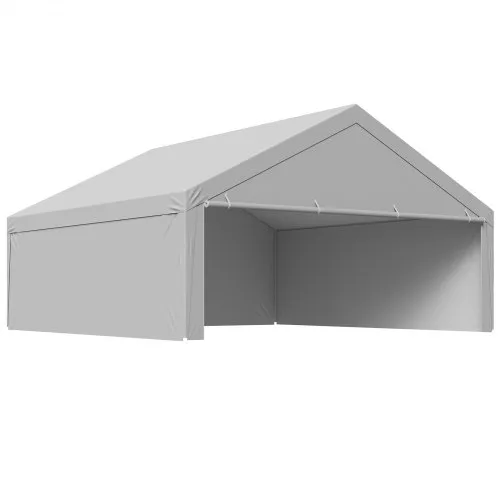




Results for Canopies
With a wide range of canopies made to protect you from the sun and weather, VEVOR has something for every need. Our catalog has everything you need, whether it's a tough 4 bow boat bimini top for open-water cruising, a versatile canopy tent for outdoor events, a carport replacement canopy to fix up your vehicle shelter, or shade cloths for gardening and farming. With a wide range of marine and land-based shade structures, boat awnings, and canopy parts, VEVOR has what you need for reliable overhead safety in any situation.
VEVOR Canopies: Dependable Shade From the Backyard to the Open Water
Are you looking for a canopy that will protect your boat from the sun while out on the water, keep your car safe during the harsh winter months, or give you quick shade at outdoor markets and events? VEVOR's canopies are made to work in real life. They come in a range of sizes to fit everything from a small fishing boat to a full-size double-car garage. The fabrics are UV-resistant, and the frames are corrosion-resistant. VEVOR offers a canopy solution that works for your space, purpose, and budget, regardless of what kind of shade you need.
Choosing the Right Canopy Type & Application
To choose the right cover, you must know its location and what it needs to withstand. Saltwater, wind, and UV rays can quickly wear down a regular event tent fabric. On the other hand, a garden shade cloth needs to breathe and let light through, whereas a waterproof boat awning is meant to keep water out. The first and most important step in the choosing process is to match the canopy type to the job.
Boat Awnings and Bimini Tops, Marine-Grade Sun Protection for Every Vessel
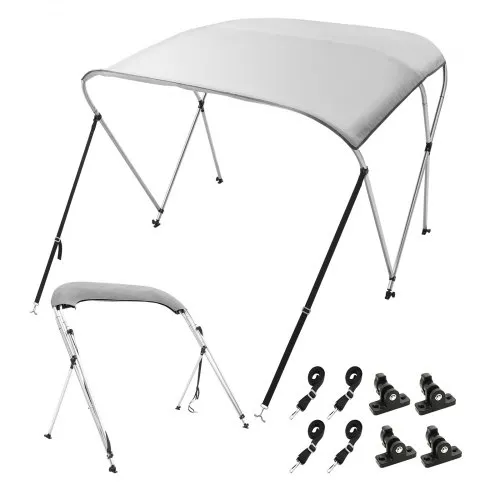
Boat awnings and bimini tops are the best marine canopies because they help protect open-deck boats from sun and light rain without fully enclosing the cockpit or significantly obstructing visibility. A folding bow frame connects the bimini top directly to the boat's gunwales. This makes it easy to put up and take down the cover when docking or towing.
VEVOR's bimini tops come in both of these styles and a range of beam widths (usually 54", 60", 66", 72", and 79") to fit the most popular cockpit and deck widths. Marine-grade 600D polyester fabric with a polyurethane coating protects against UV rays and repels water. Powder-coated or stainless steel bow frames help prevent the fabric from rusting quickly in saltwater and high-humidity marine environments.
Canopy Tents: Versatile Portable Shade for Events, Markets, and Outdoor Spaces
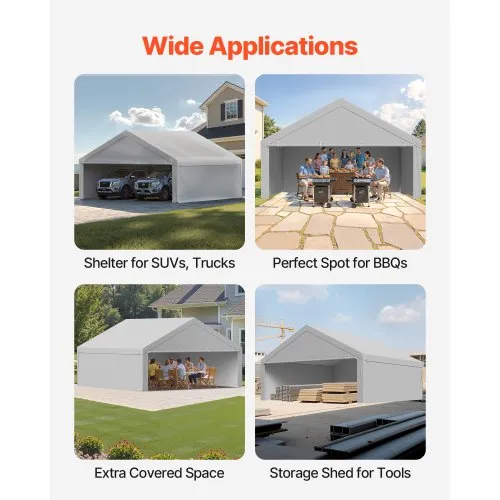
For many outdoor events, such as farmers' markets, sporting events, backyard get-togethers, trade shows, construction site shelters, and business outdoor service areas, canopy tents are the most versatile option in the VEVOR line. Their main features are portability and ease of setup. Two people can set up a good canopy tent without any tools in less than 10 minutes and take it down just as quickly to store or move it.
These three sizes, 10x10, 10x15, and 10x20, cover the most common event booth and outdoor shelter needs. When comparing models from different brands, it's important to know that straight-leg designs typically offer more usable shade area than slant-leg options of the same size. As extras, you can get sidewall panels, sandbag anchor kits, and ground stakes that make the cover more weatherproof and secure when it's windy.
Carport Replacement Canopies: Restoring Your Vehicle Shelter Without Full Replacement
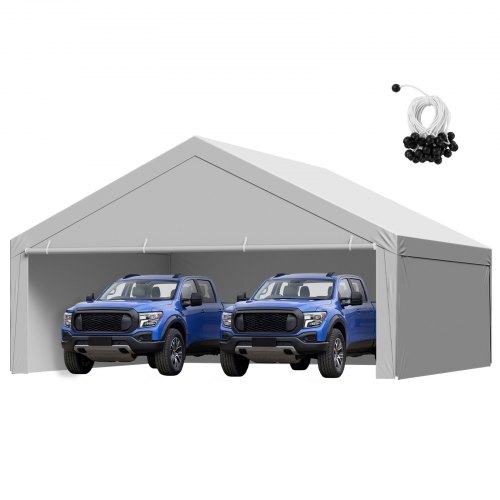
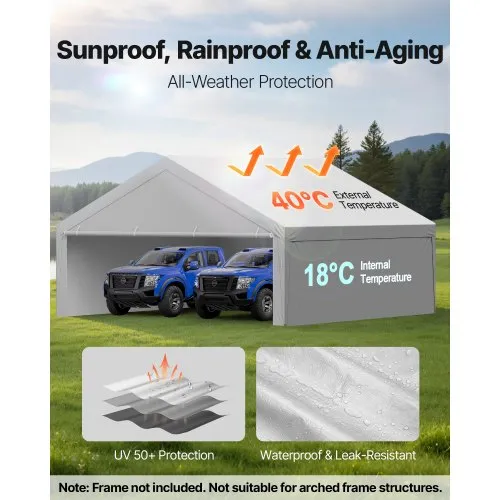
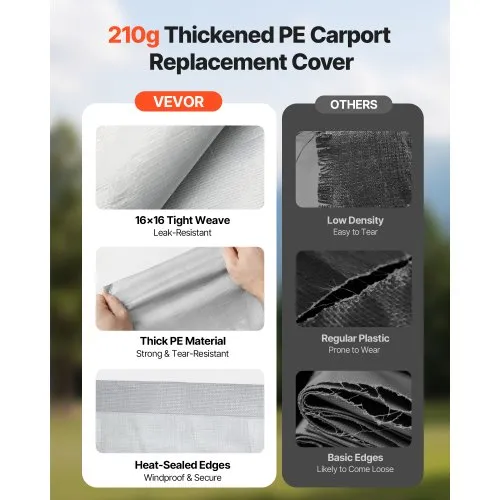
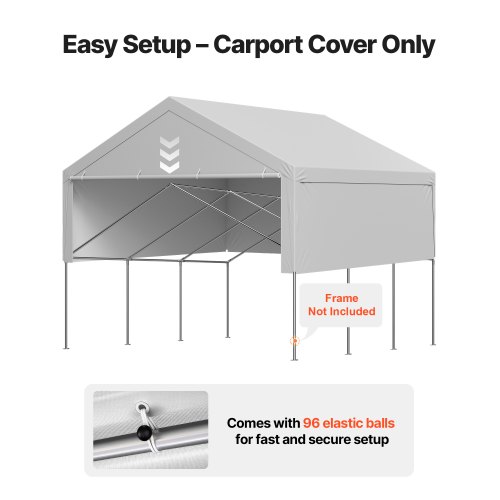
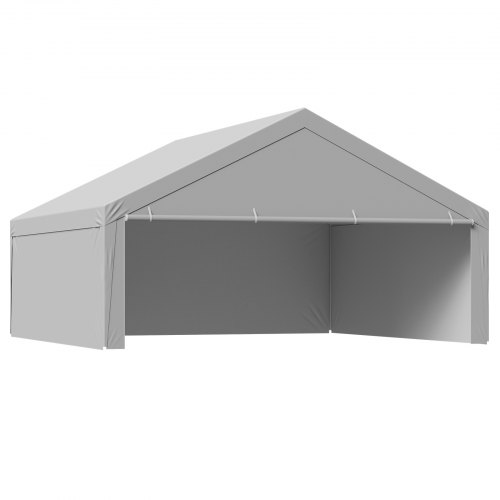
For homeowners whose carport frame is still structurally sound but whose original cloth cover has worn out from UV rays, tears, or weather damage, a carport replacement canopy is one of the most cost-effective building hardware options. Instead of replacing the whole carport structure, a perfectly fitted replacement canopy provides full weather protection for a lot less money. This makes it the smart choice when the steel frame underneath is still in good shape.
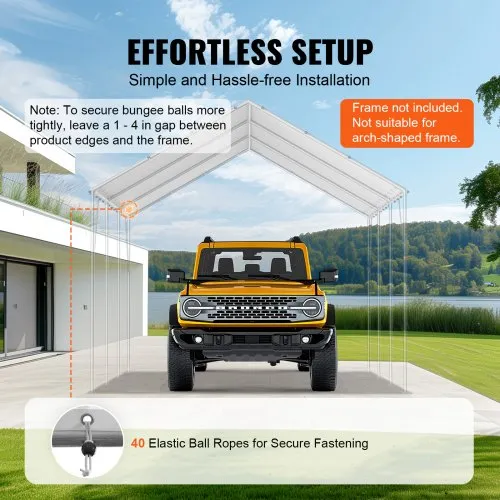
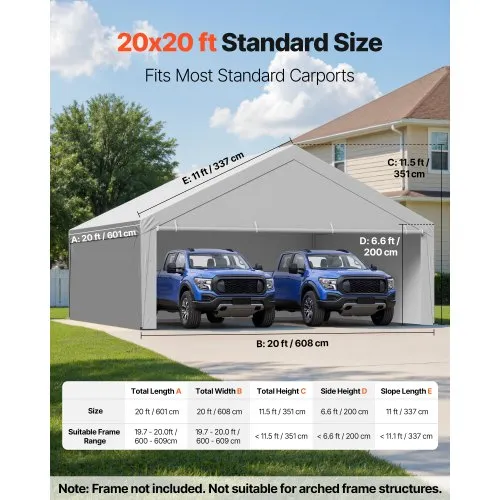
The VEVOR carport replacement canopy range includes the most popular single- and double-carport frame sizes. Cover sizes range from 10x20 feet for single-vehicle shelters to 20x20 feet for double-bay layouts. Reinforced polyethylene or Oxford fabric construction blocks UV rays and keeps out water. Color-coded rope threading or bungee ball attachments make it easy to assemble without tools or special skills.
Shade Cloths and Canopy Parts: Targeted Protection and Maintenance Solutions
Shade cloths differ from other canopies because they diffuse light more than creating a continuous cover. Unlike waterproof canopy fabrics, shade cloths are made of UV-stabilized polyethylene. They are woven or knitted into open-mesh structures that block a certain amount of solar radiation (30%, 50%, 70%, or 90% shade factor) while still allowing air to flow, light to pass through, and rain to fall. Because of this, shade cloths are best for places like veggie gardens, nurseries, animal shelters, greenhouse side walls, and patios where a solid canopy would make the area too hot.
Parts for canopies, such as new bow frames, fabric covers, connector sleeves, tension straps, and mounting hardware, help extend the lifespan of existing structures. VEVOR's collection of canopy parts covers the most common wear areas, including bow frame tubes that bend or corrode after prolonged exposure to water or the elements, fabric panels that become brittle at seams from UV light, and mounting brackets that wear out after repeated use.
Selecting Canopies by Fabric Material & Size
Once you know what kind of canopy will work best in your situation, the material and size specifications will determine how well it fits and performs over the long term. No matter how good the fabric was when it was first made, a canopy made from the wrong fabric for its environment may wear out much more quickly. Similarly, a cover that doesn't exactly fit its mounting geometry will never tension properly or offer the protection it was meant to.
Fabric Materials, Matching Canopy Cloth to Environmental Demands
When choosing a canopy fabric, the main thing to consider is the weather the cover will be exposed to daily. There must be strong UV stability, water resistance, and salt-air corrosion resistance in all threads, coatings, and reinforcements used in the construction of marine canopies, such as boat awnings and bimini tops. The standard is marine-grade 600D polyester coated with polyurethane or acrylic. This gives the fabric color stability, resistance to mildew, and structural integrity over many wet-dry cycles that untreated fabrics can't withstand.
210D to 600D Oxford polyester or reinforced polyethylene are among the most common fabric choices for terrestrial canopies, such as carport replacement canopies and canopy tents. Fabrics with higher denier values are more resistant to tearing and last longer when exposed to the elements for extended periods. Shade cloths need a completely different kind of material: high-density polyethylene (HDPE) knitted mesh that is UV-stabilized throughout the fibers, not just on the surface.
Sizing Canopies Correctly, Measurements That Determine Fit and Function
When choosing a canopy, the most important thing is to make sure it is the right size for the object. Two important measures for bimini tops are the beam width (the distance between the port and starboard mounting points at the gunwale) and the length of coverage you want from the front to the back. If the bimini top is too narrow for the boat's beam, it will mount at an angle that reduces space and makes the profile look undesirable. On the other hand, if it's too wide, it will hang over the gunwale and put stress on the feet that hold it in place.
When measuring for canopy tents or carport replacement canopies, you need to match the canopy's given footprint to either the area you want to cover or the shape of the frame already in place. When choosing the right canopy tent size, consider the difference between the maximum coverage area and the usable internal area. For example, at the same stated size, straight-leg designs have more usable interior square footage than slant-leg designs.
Shop VEVOR Canopies for Reliable Shade Wherever You Need It
From 3 and 4-bow boat bimini tops and boat awnings to canopy tents, carport replacement canopies, shade cloths, and canopy parts for repair and maintenance, VEVOR's canopies catalog has everything you need for shade and protection. Each product is designed to work well in its intended setting, comes in a range of sizes to fit the most common uses, and is priced to give real value to homes, boaters, event organizers, and business users.
FAQs
What is the difference between a 3-bow and a 4-bow boat bimini top?
A 3 bow boat bimini top uses three support arches for a lighter, more streamlined fit, suitable for smaller vessels. A 4-bow boat bimini top adds a fourth arch for extended coverage, increased rigidity, and improved wind resistance. Choose based on your boat's cockpit length and the coverage area you need.
How do I measure for a carport replacement canopy?
Measure the peak height, ridge pole length, and leg span width of your existing frame. Match these three dimensions to the listed specifications for the replacement canopy. Even minor dimensional mismatches can prevent proper tensioning and secure attachment. Always measure the actual frame, not the original carport's stated size.
What shade factor should I choose for a shade cloth?
Choose a shade factor of 30–50% for vegetable gardens needing filtered light, 50–70% for ornamental plants and patios, and 70–90% for livestock shelters, nursery propagation areas, or spaces where maximum heat reduction is the priority. Higher shade factors reduce light transmission, which may inhibit plant growth if overspecified.
Can canopy tents be used in windy conditions?
Yes, with proper anchoring. Use ground stakes on grass or soil surfaces and sandbag anchor kits on hard surfaces. Add sidewall panels to reduce wind load on the frame. In sustained high winds above 30–35 mph, it is safer to collapse and store the canopy tent to prevent frame damage or displacement.
How long do boat awnings and bimini tops typically last?
With proper care, marine-grade bimini tops and boat awnings can last around five to ten years. UV exposure is the primary factor in degradation. Rinse with fresh water after saltwater use, allow the fabric to dry fully before folding, and apply a UV protectant spray annually to extend fabric life and maintain color fastness.