Sheet Metal Fabrication















Results for Sheet Metal Fabrication
The metal forming process is covered by VEVOR's sheet metal fabrication equipment, which includes metal plate shears and guillotine shears for precise straight cuts, metal bending brakes and slip rollers for curved profiles, and pneumatic punch presses for clean hole work. Whether you're running a professional fabrication shop or building a serious metalworking setup at home, VEVOR makes machines that are strong, capable, and reliable across a wide range of gauges and applications. Browse the entire collection to find the tools you need for your business right now.
VEVOR Sheet Metal Fabrication Equipment: Shears, Brakes, Rollers & Presses
Are you having a hard time finding sheet metal fabrication equipment that meets all your needs for gauges, workflow, and shop-floor space? VEVOR's lineup includes guillotine shears, metal plate shears, slip rollers, box and pan brakes, and metal bending brakes, suitable for both expert fabricators and serious hobbyists. The goal of every machine is to deliver consistent results over repeated use.
Complete Guide to Equipment Type (Shear, Brake, Roller, Press)
To make a shop productive and capable, you need to know what each type of sheet metal fabrication equipment does and how it fits into the metal-forming process. VEVOR's equipment covers all steps of the fabrication process, from the initial cutting to forming, rolling, and punching. This gives fabricators a coordinated set of tools that work well together and can support professional-grade work with a wide range of gauges and materials.
Metal Plate Shear and Guillotine Shear for Clean, Straight Cuts Every Time
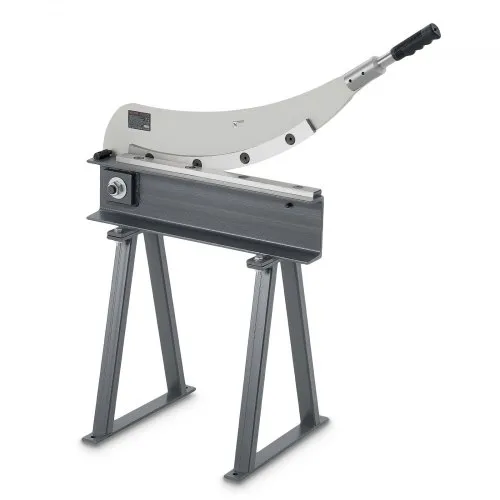
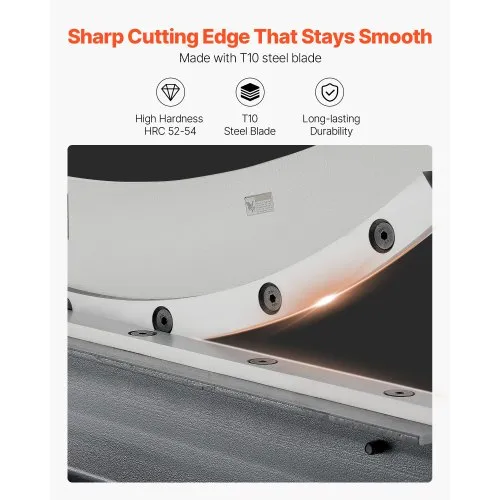
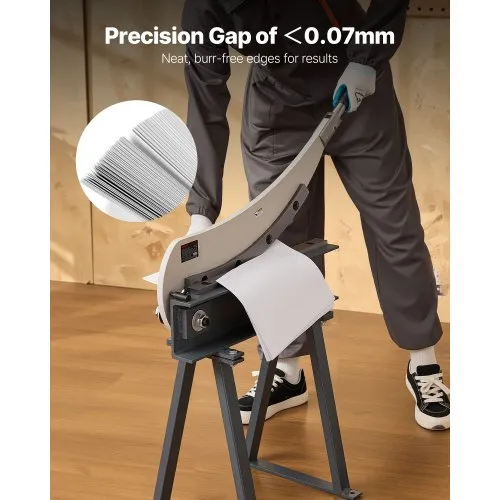
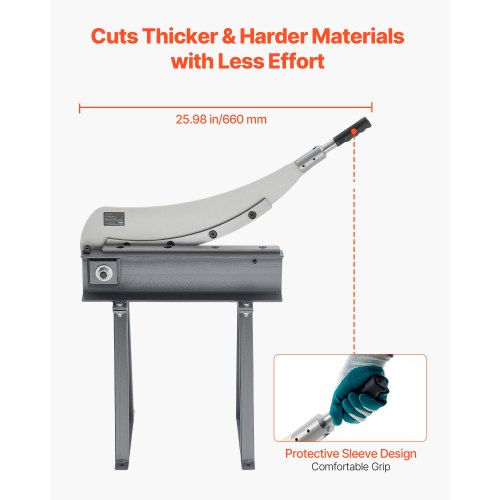
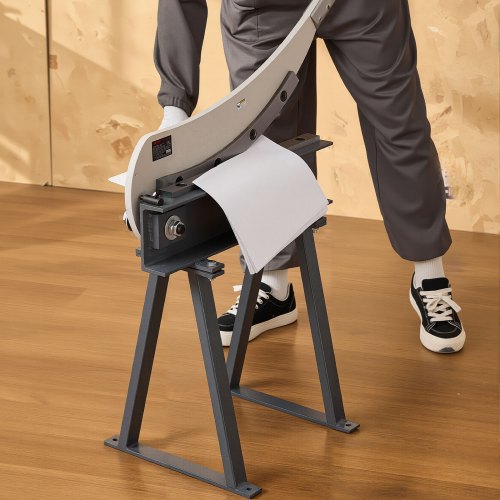
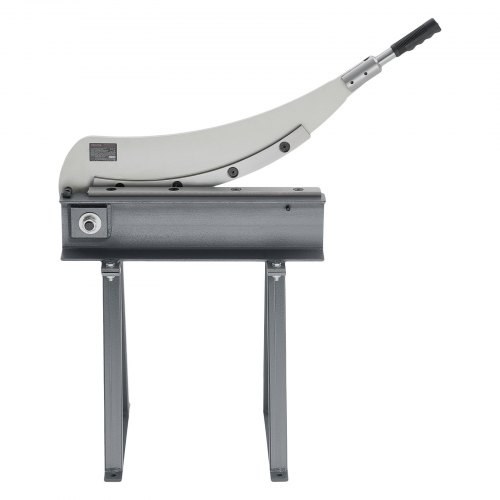
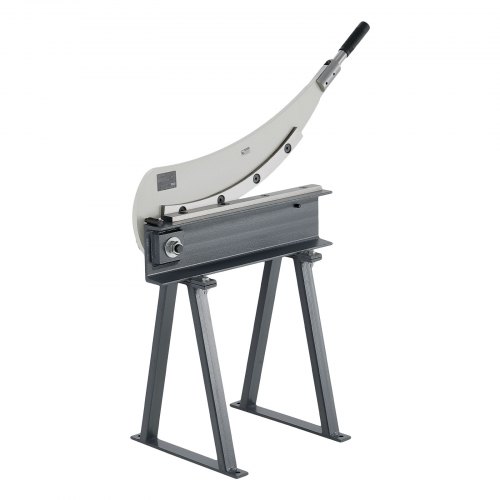
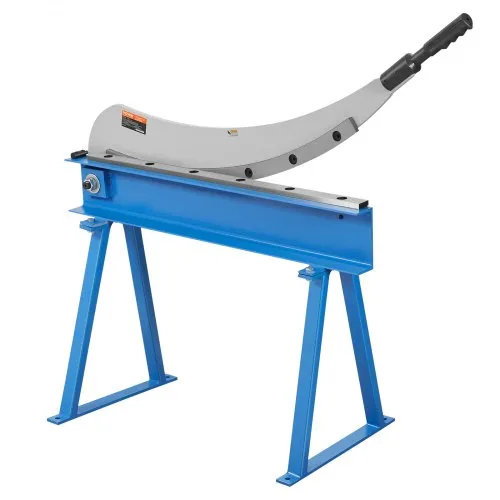
A metal plate shear is the first step in most sheet metal production processes. It cuts flat-sheet stock cleanly and straight, with little distortion and no affected zones like those created by cutting torches and plasmas. VEVOR's metal plate shear models feature a hardened upper blade that is driven against a fixed lower blade at a precise shear angle. This produces edges that don't have burrs and require little finishing before they can be formed or assembled.
The guillotine shear is the most common type of metal plate shear. It gets its name from the way the upper blade drops vertically and cuts through the material in a single move. Adjustable back gauges on VEVOR's guillotine shear models let you set and hold the same cut lengths for a full production run without having to measure each piece again. Most types have a way to adjust the blade gap, which allows the shear to work effectively with different material thicknesses and hardness levels.
Metal Bending Brake and Box and Pan Brake for Precise Angle and Profile Forming
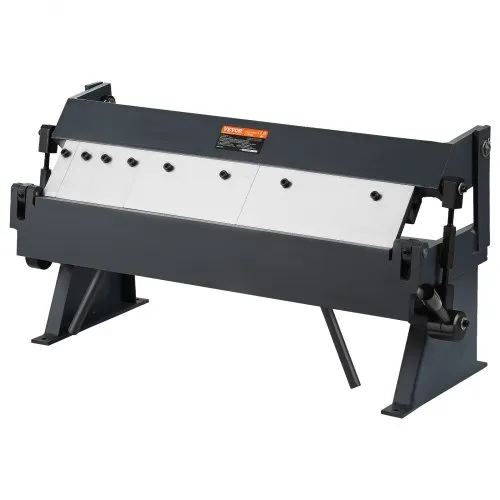
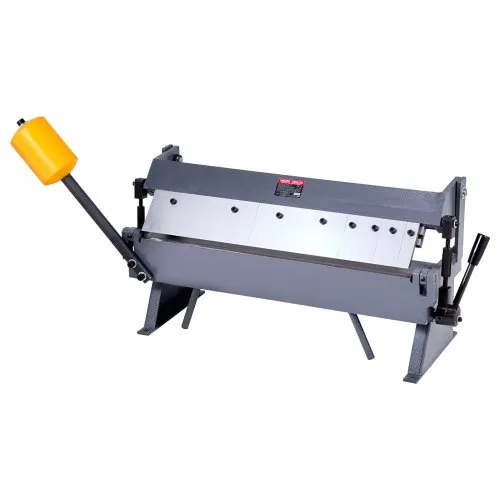
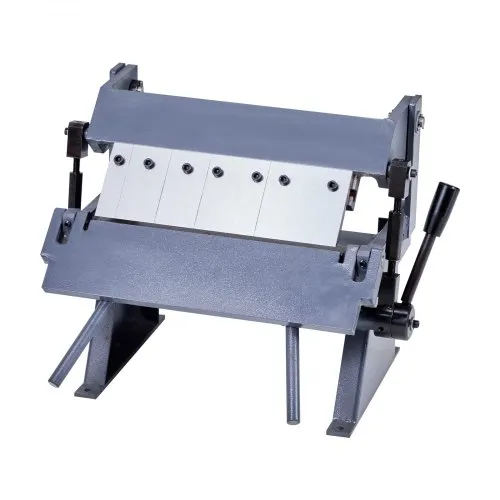
A metal bending brake is the most useful forming tool in any sheet metal fabrication equipment set. It firmly clamps the workpiece and applies a controlled bend along a precise fold line to make angles, flanges, hems, and exactly right box profiles. VEVOR's metal bending brakes come in both straight-blade and segmented designs, and their working sizes range from small 16-inch bench models to full 52-inch and wider floor-standing units that can handle large-format sheet panels.
The box and pan brake is more advanced than a regular metal bending brake because it has a segmented upper clamping beam with finger pieces that can be taken off and rearranged to fit the inside dimensions of box and tray profiles. Because of these features, the box and pan brake is essential for making enclosures, trays, pipe parts, and other three-dimensional sheet-metal shapes that require bending more than once in a row.
Slip Roller for Forming Curves, Cylinders, and Conical Sheet Metal Profiles
For tasks that require curved shapes rather than straight ones, a slip roller is the most important tool for fabricating sheet metal. It can turn flat sheet stock into cylinders, cones, arcs, and complex curves that a bending brake can't do. VEVOR's slip rollers consist of three hardened steel rolls arranged in a pyramid shape. Two lower-driven rolls move the material through, and the upper roll provides pressure that can be adjusted to control the radius of the curve.
VEVOR's slip roller models come in working widths ranging from 12 inches to 36 inches and more. Each size class has its own roll diameter and material capacity requirements. The slip feature, which the machine is named for, allows one end of the lower roll assembly to come loose. This allows a fully formed cylinder to be taken off the rolls without distorting it or reopening the seam.
Combination Sheet Metal Machine and Pneumatic Punch Press for Multi-Function Efficiency
It is a highly space-efficient piece of sheet metal fabrication equipment for shops with limited floor space or operators who need to use all three functions sometimes but don't want to buy three separate machines. A combination sheet-metal machine combines the functions of a shear, a brake, and a slip roller into a single, compact unit. The combination sheet metal machines from VEVOR are designed so that each function can be done at a level suitable for light to medium fabrication work. The working areas are clearly separated so that functions don't interfere with each other while in use.
A pneumatic punch press is an important piece of sheet metal fabrication equipment because it allows quick, consistent production of clean holes, slots, and shaped cutouts in flat sheet stock, without the heat distortion that comes with plasma or laser cutting. VEVOR's pneumatic punch press models use shop air pressure to push a hardened punch through a matched die quickly. This makes holes with smooth edges and little burring on a variety of sheet sizes.
Capacity & Features That Influence Performance in Sheet Metal Fabrication Equipment
If a machine can handle your real workpiece sizes and production volumes, or if it fails the first time a tough job comes along, its capacity specs and built-in features will tell you. It is important to VEVOR that the capacity ratings and useful features of its sheet metal fabrication equipment are honest and easy to understand. These features directly lead to better results on the shop floor.
Capacity Ratings That Match Real-World Gauge and Width Requirements
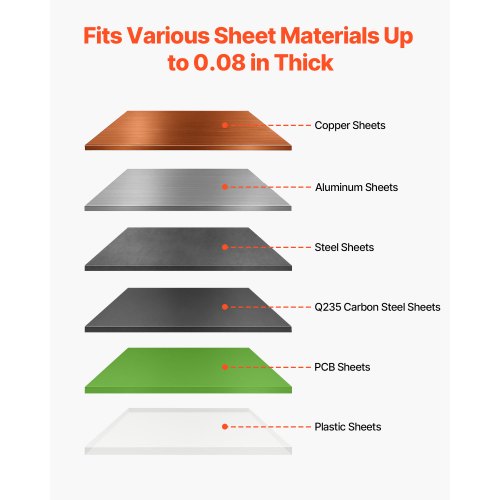
A direct way to tell whether a piece of sheet metal fabrication equipment can handle the material you're working with is to check its capacity. For metal plate shears and guillotine shears, capacity is shown by the thickest piece of material that can be cut at a certain tensile strength. Tensile strength is usually given for mild steel, but there are different ratings for aluminum (softer) and stainless steel (harder).
For metal bending brakes and box and pan brakes, capacity includes both the thickest material that can be used and the widest that can be used simultaneously. These are two separate limits that must be met for a given job. For example, a brake that is qualified to work with 16-gauge mild steel at 48 inches wide can't safely shape 14-gauge stock at full width without risking beam deflection and uneven bend angles.
Built-In Features That Improve Accuracy, Repeatability, and Operator Efficiency
The features of VEVOR's sheet metal fabrication equipment go beyond its raw ability to meet the needs of fabricators who do a lot of work and need every piece in a batch to achieve the same results. The marking and measuring steps that slow down production and introduce cumulative error are eliminated by the adjustable back gauges on metal plate shears and guillotine shears, allowing cut lengths to be set once and held consistently throughout an entire run.
On VEVOR's metal bending brake and box and pan brake types, degree scales and adjustable bend stops achieve the same repeatability: set the stop once for a specific bend angle, and every piece that follows will automatically bend to that angle. The pneumatic punch press has a customizable stroke depth that keeps the punch from bottoming out on thinner materials. This helps maintain punch quality during high-volume runs and can extend the die's life.
Shop VEVOR Sheet Metal Fabrication Equipment for Professional Results at Every Scale
VEVOR's sheet metal fabrication equipment includes metal plate shears, guillotine shears, and pneumatic punch presses for cutting and piercing, as well as metal bending brakes, box and pan brakes, slip rollers, and combination sheet metal machines that can handle a wide range of forming jobs your shop may need. We ensure that SensurReach has accurate capacity ratings and features and a strong, robust design that withstands production use. VEVOR makes professional-grade fabrication possible for people of all budgets by offering low prices and solid customer service after the sale.
FAQs
What is the difference between a metal bending brake and a box and pan brake?
A standard metal bending brake uses a solid clamping beam for straight bends across the full working width. A box-and-pan brake features a segmented, removable finger system that accommodates the internal dimensions of box and tray profiles, making it essential for fabricating three-dimensional enclosures and multi-bend parts that a straight brake cannot form.
Can a combination sheet metal machine replace separate shear, brake, and roller equipment?
For light to medium fabrication work, yes. A combination sheet-metal machine consolidates all three functions into a single, compact unit, ideal for shops with limited floor space or occasional multi-function needs. For high-volume production requiring maximum capacity from each function, dedicated individual machines deliver better throughput and greater gauge capacity per station.
What gauge of mild steel can VEVOR's guillotine shears typically handle?
Many of VEVOR's guillotine shear models are rated for mild steel gauges around 16 to 20, depending on the working width and specific model specifications. Capacity decreases for harder materials, such as stainless steel, and increases for softer materials, such as aluminum. Always verify the specific gauge rating for your target material against the product specifications before purchasing.
How does a pneumatic punch press differ from a manual punch?
A pneumatic punch press uses compressed air to drive the punch at significantly higher force and speed than a manual punch allows, enabling cleaner holes in thicker gauges with far less operator effort. It also supports higher production volumes with consistent punch quality across every cycle, making it the practical choice for repetitive hole-punching operations in production environments.
What maintenance do slip rollers require to stay in an accurate working condition?
Regularly clean the roll surfaces to remove metal filings and debris that can mark workpiece surfaces. Lubricate the roll bearing housings and adjustment screw threads with appropriate machine oil or grease according to the service schedule. Inspect roll surfaces periodically for wear grooves or surface damage, and verify upper roll parallelism adjustments to maintain a consistent curve radius across the full working width.