VEVOR 106.7cm Tow Behind Landscape Rake, 3-Point Lawn Rock Rake with Blade & Lift Lever, Fit Category 1 ATVs UTVs Lawn Tractors, Heavy Duty Dethatcher Rake for Debris Leaves Thatch


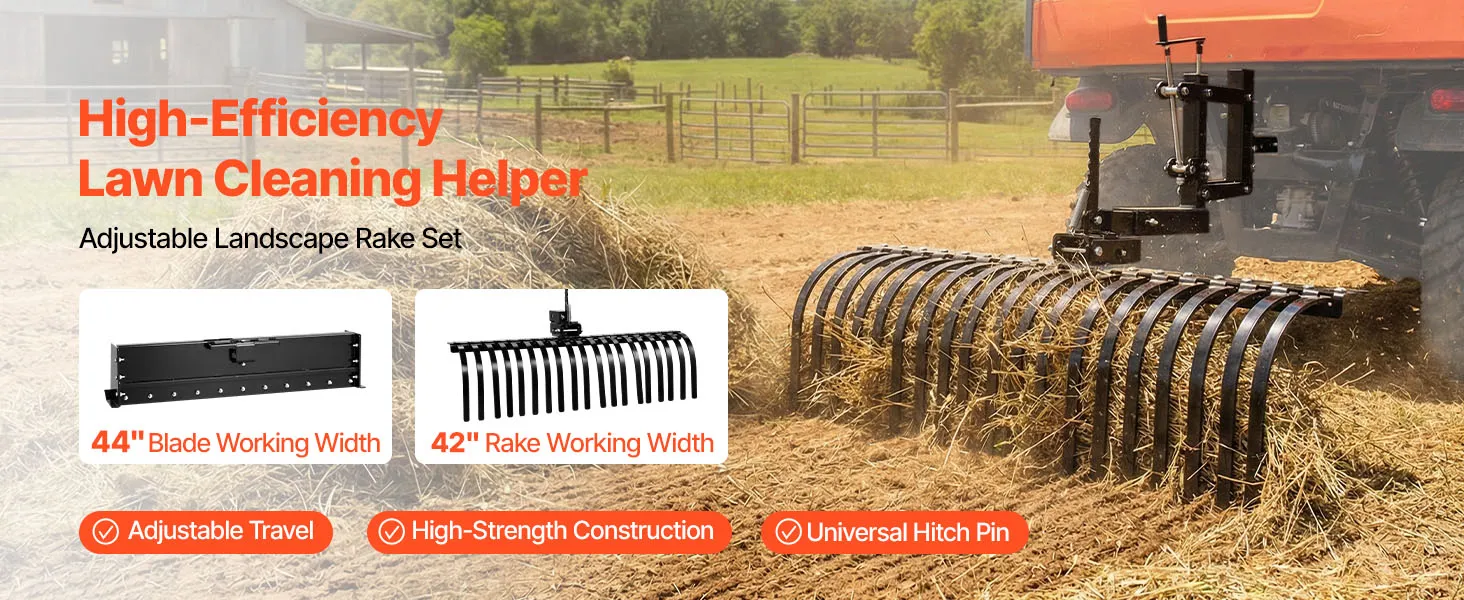
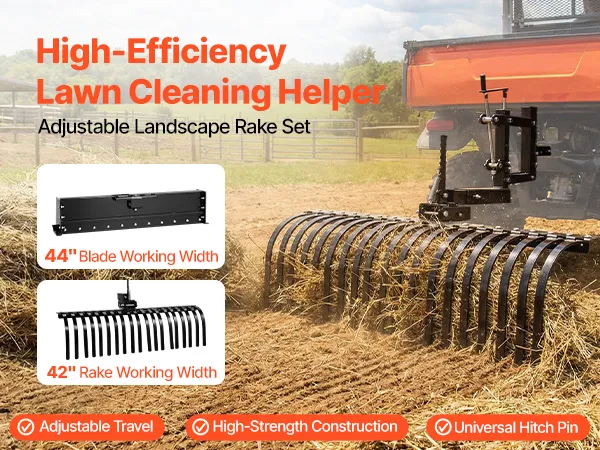
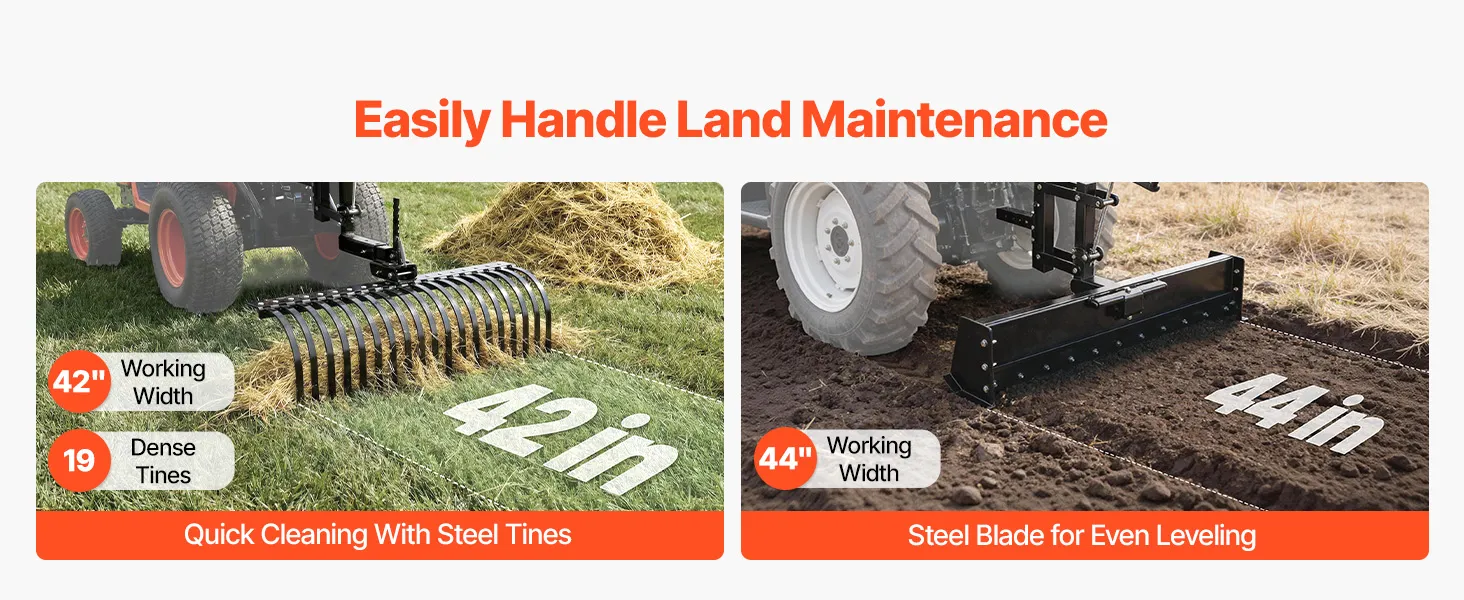
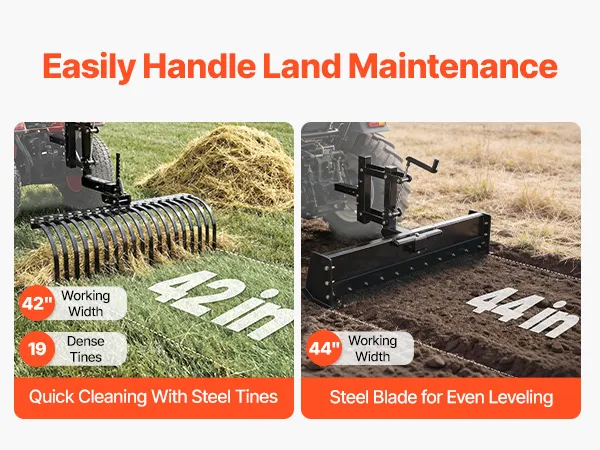
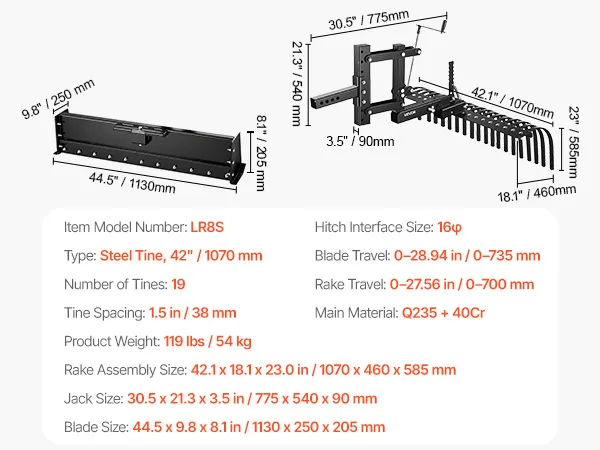
- 2-in-1 Dethatcher & Grader Kit: This heavy-duty combo includes a 42" steel lawn dethatcher rake, a 44" grading blade, and a lift control system, covering most land maintenance and ground-cleaning tasks. Ideal for debris removal, soil loosening, and surface leveling
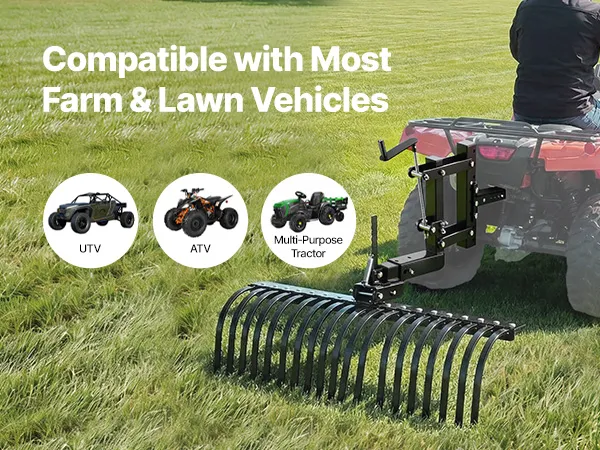
- Wide Compatibility: Designed with a universal hitch pin (size: φ0.63 in / φ16 mm), the tow-behind dethatcher easily connects to Category 1 three-point hitches, ATVs, UTVs, lawn tractors, and utility tractors for versatile use across different machines
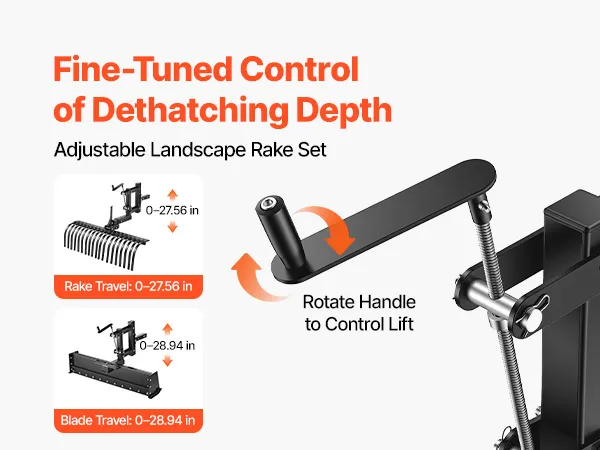
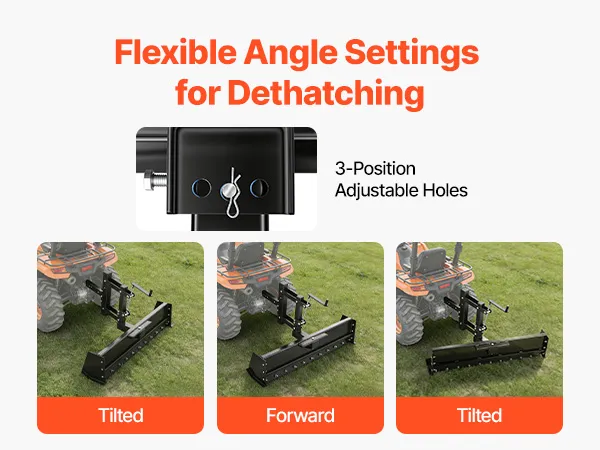
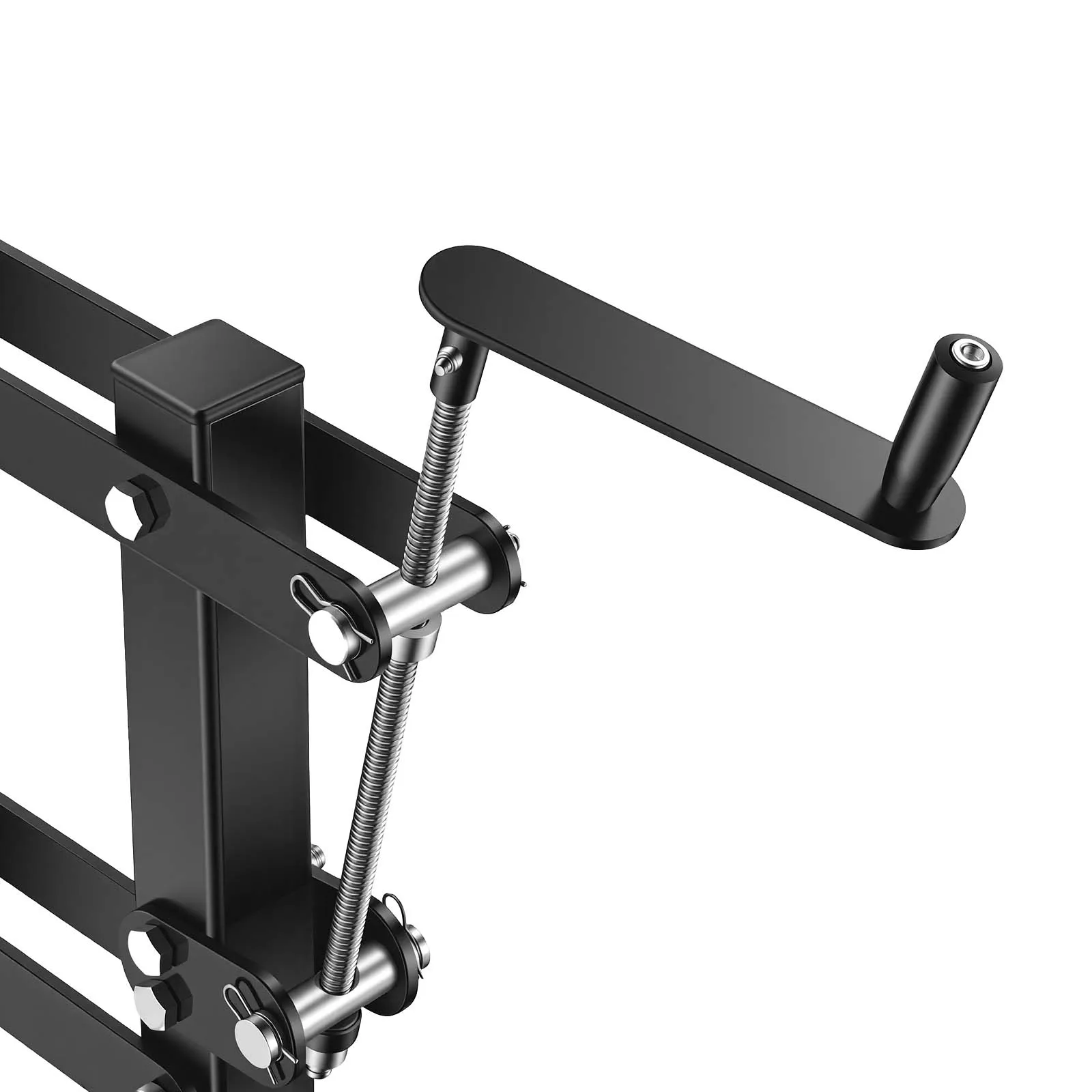
- Adjustable Working Height: This tow behind landscape rake comes with a stable lift system, allowing you to rotate the handle to precisely adjust blade & rake working height. Blade travel range: 0–28.94 in (0–735 mm) Rake travel range: 0–27.56 in (0–700 mm) The blade frame also supports forward, reverse, and angled positions for maximum flexibility
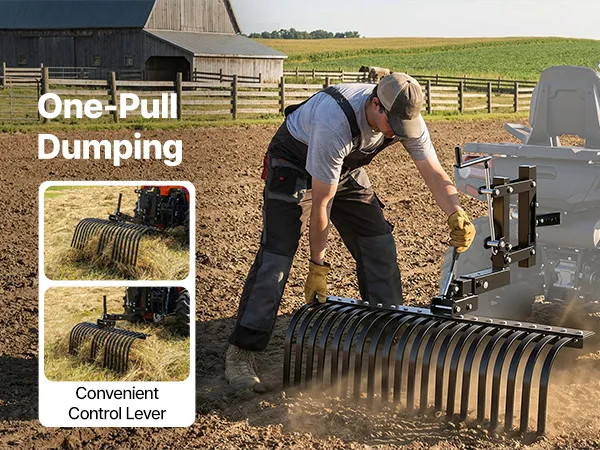
- Easy Lift & Dump Operation: When the landscape rake for tractors fills with leaves or branches, simply pull the control lever to raise the tines and unload debris quickly. The lever includes two locking positions to keep the rake secured at your desired height
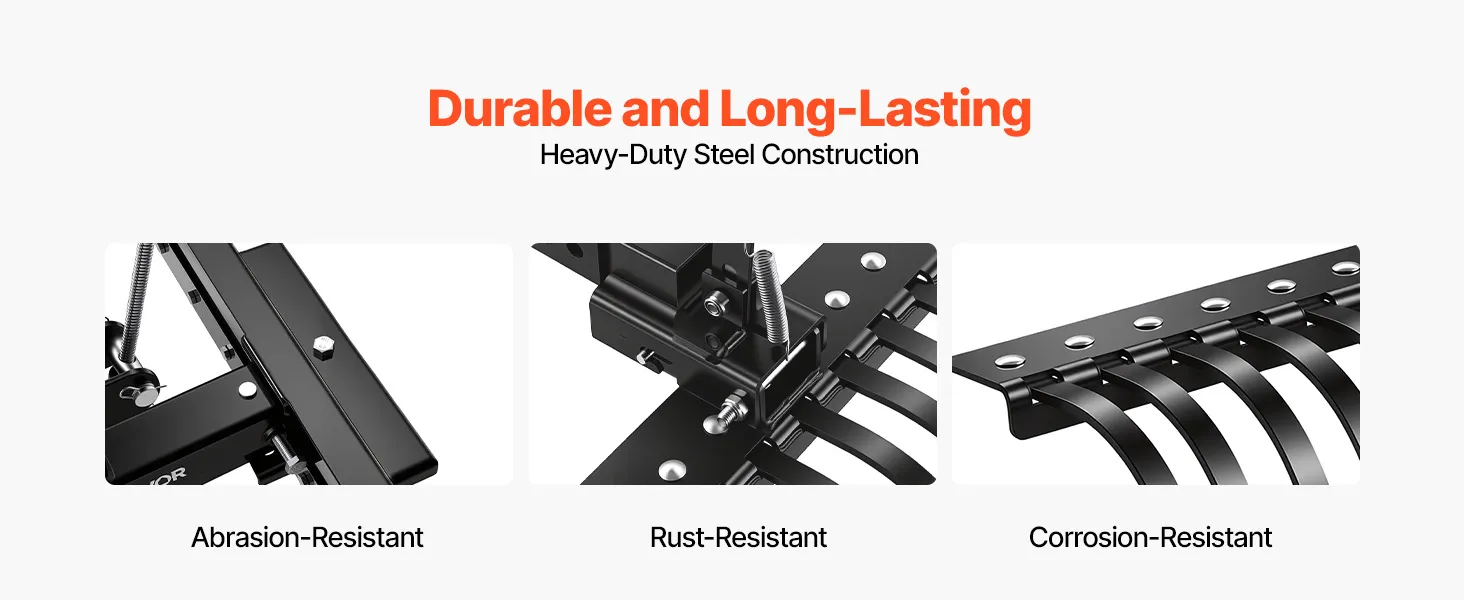
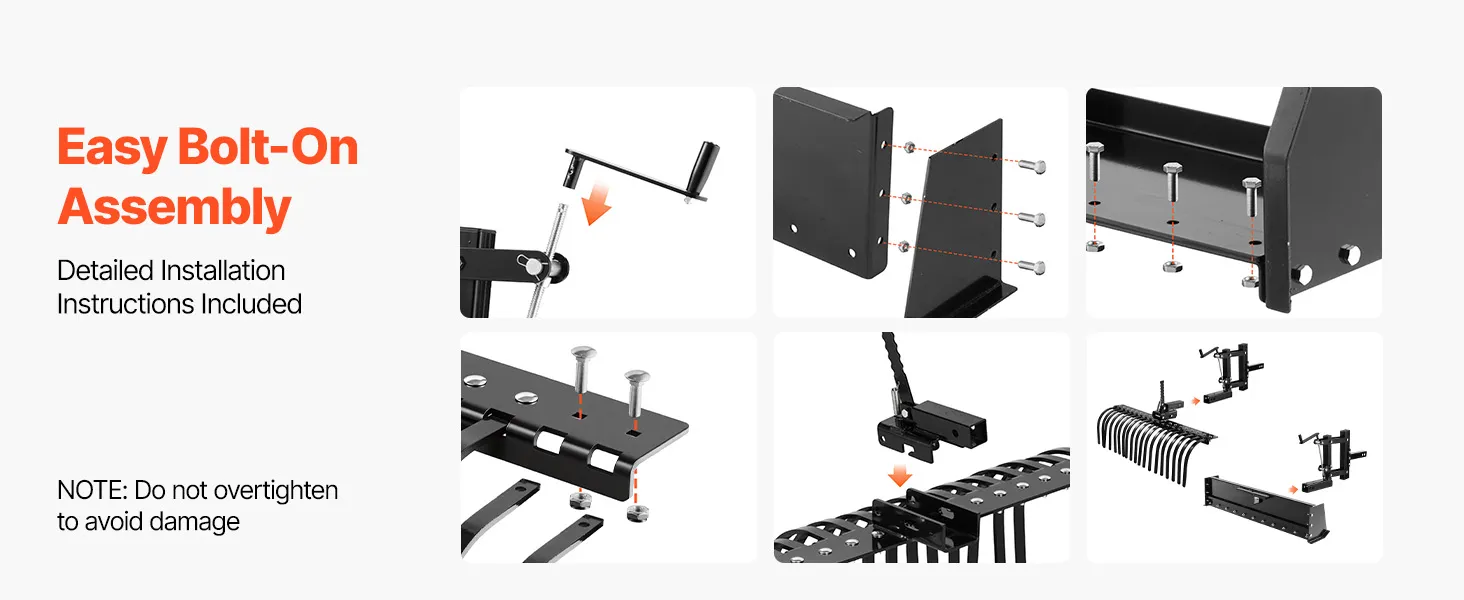
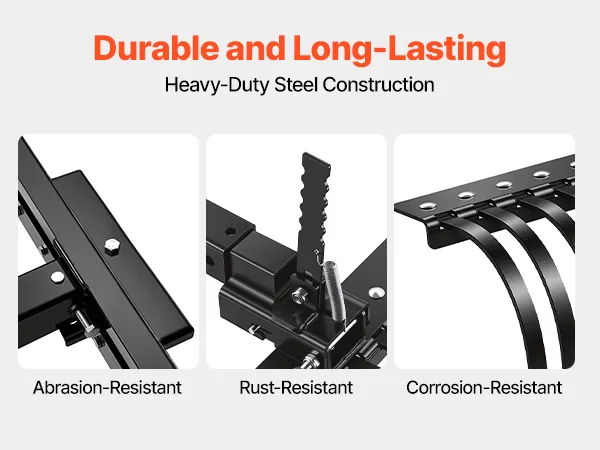
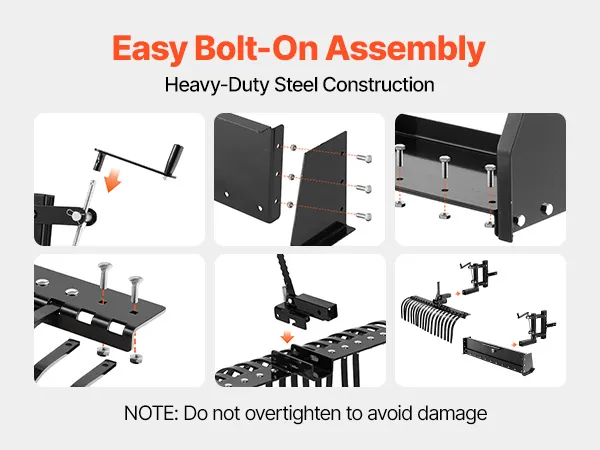
- Heavy-Duty Steel Construction: Built entirely from steel with a powder-coated, rust-resistant finish for long-lasting outdoor use. Our rock rake with bolt-on assembly makes installation quick and straightforward, saving time and effort
Frequently Bought Together
Reviews
About this item







0.33" Thickened Heat-Treated Steel Tines for Superior Durability Under Heavy Use
This rake's 0.33-inch heat-treated steel tines are strong enough to withstand bending, breaking, and deformation during heavy-duty raking. Heat treatment produces tines that flex under load rather than crack because it hardens the steel throughout, not just the surface. This feature is particularly crucial when removing tangled thatch, pebbles, or compacted debris, because each pass exerts considerable lateral stress on the tines.
The 1.5-inch tine spacing allows efficient penetration of thatch and surface debris without clogging during use. This spacing keeps the rake head clear and supports consistent raking across wide areas by allowing loose material to move readily between tines. Because you can remove and replace worn or damaged tines individually, you can prolong the unit's operating life without requiring a complete replacement.
Tow Behind Landscape Rake with 44" Steel Blade for Simultaneous Soil Leveling and Debris Clearing
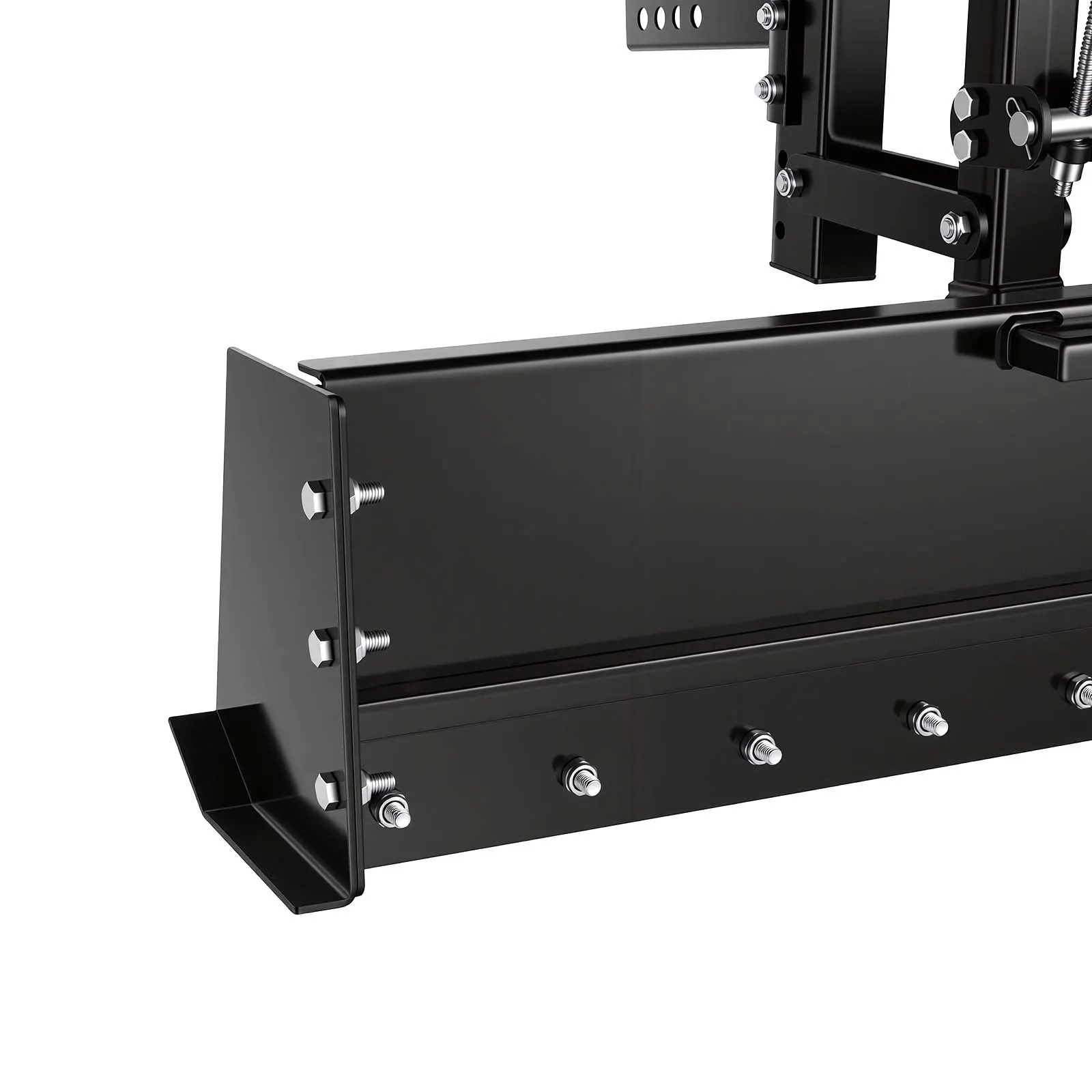
The 44-inch steel blade of this tow-behind landscape rake works in tandem with the tine section to distribute topdressing, level soil, and remove loose surface material in a single pass. The user can adjust the blade direction according to the task at hand, thanks to the blade frame's support for forward, backward, and tilted orientations. Angled positions cast trash to the side, which is helpful when grading a gravel surface or moving loose debris. Forward positions drive material ahead.
With a travel range of 0 to 28.94 inches (0–735mm), the blade offers substantial vertical adjustability to accommodate varying ground profiles and task needs. Because of its adaptability, the blade can be lowered for more forceful soil grading or set to skim the surface for soft leveling of seeded areas. The number of passes and equipment changes required to finish typical lawn and land preparation chores is reduced when a tine section and a blade are combined into a single attachment.
Adjustable Working Height with Stable Lift System for Precision Depth Control
A handle on the tow behind landscape rake rotates to adjust its height. The user can regulate the penetration depth to suit the work by adjusting the tine section's travel range of 0 to 27.56 inches (0–700mm), which is shallow for light thatch removal and deeper for soil loosening. Time is saved during multitasking operations across large properties, as adjustments can be made from the tractor or ATV seat without dismounting.
Throughout the working pass, the lift system remains steady and firmly in place. Inconsistent raking depth and unequal results over the working width would result from the tine height sliding under load. When preparing seedbeds, topdressing lawns, or cleaning waste at a constant level across a wide area, consistent tine depth is crucial.
Easy Pull-Lever Dump Operation with Two Locking Positions for Fast Debris Unloading
The operator can pull the control lever to elevate the tines and discharge the accumulated material when the rake head fills with leaves, branches, or other waste. This dump action greatly speeds up operations during heavy leaf collection or trash-clearing sessions across vast lawns and properties, as it can be done from the seat without stopping the vehicle or manually emptying the rake head.
In both the raised dump position and active raking, the lever has two locking positions that keep the rake at the selected height. This locking feature prevents unintentional tine head lowering during maneuvers by keeping the rake secure when moving between areas or reversing to clear a section. The one-lever operation's simplicity speeds up workflows and reduces operator fatigue over long periods.
Universal φ16mm Hitch Pin for Category 1 Three-Point Hitch Compatibility with Tow Behind Landscape Rake
A universal φ16mm (0.63-inch) hitch pin that works with Category 1 three-point hitch systems attaches the rake. A wide variety of tractors, including models from Kubota, New Holland, Ford, and similar brands. match this standard dimension. The tow behind landscape rake is simple to connect and use on the majority of common lawn and utility tractors because it does not require rear hydraulics or a PTO.
A welded steel framework that resists deformation under working stresses reinforces the three-point hitch connection. When the tines encounter resistance from compacted soil or heavy debris, this sturdy connection keeps the rake stable during operation and stops the hitch frame from flexing or shifting. When working quickly over uneven terrain with larger impact forces, a strong, deformation-resistant connection is especially crucial.
Versatile Multi-Task Performance for Lawns, Farms, Driveways, and Land Restoration
There are many more uses for this tow behind landscape rake than just gathering leaves. It clears rocks and gravel from driveways, distributes compost and top dressing, levels uneven soil, removes thatch and moss, and prepares seedbeds for overseeding or fresh turf establishment. One piece of equipment may perform duties that would otherwise require several tools, since it combines the steel blade and tine portions into a single attachment.
Because of its performance, it is useful for managing larger properties, small farms, rural properties, and residential gardens. It can be used for a variety of tasks with minimal setup time thanks to its quick-dump lever, variable tine height, and adjustable blade angle. This tow behind landscape rake offers a range of functionality that warrants its position in the equipment lineup for property owners who require a capable, multipurpose tractor attachment that handles varied tasks.